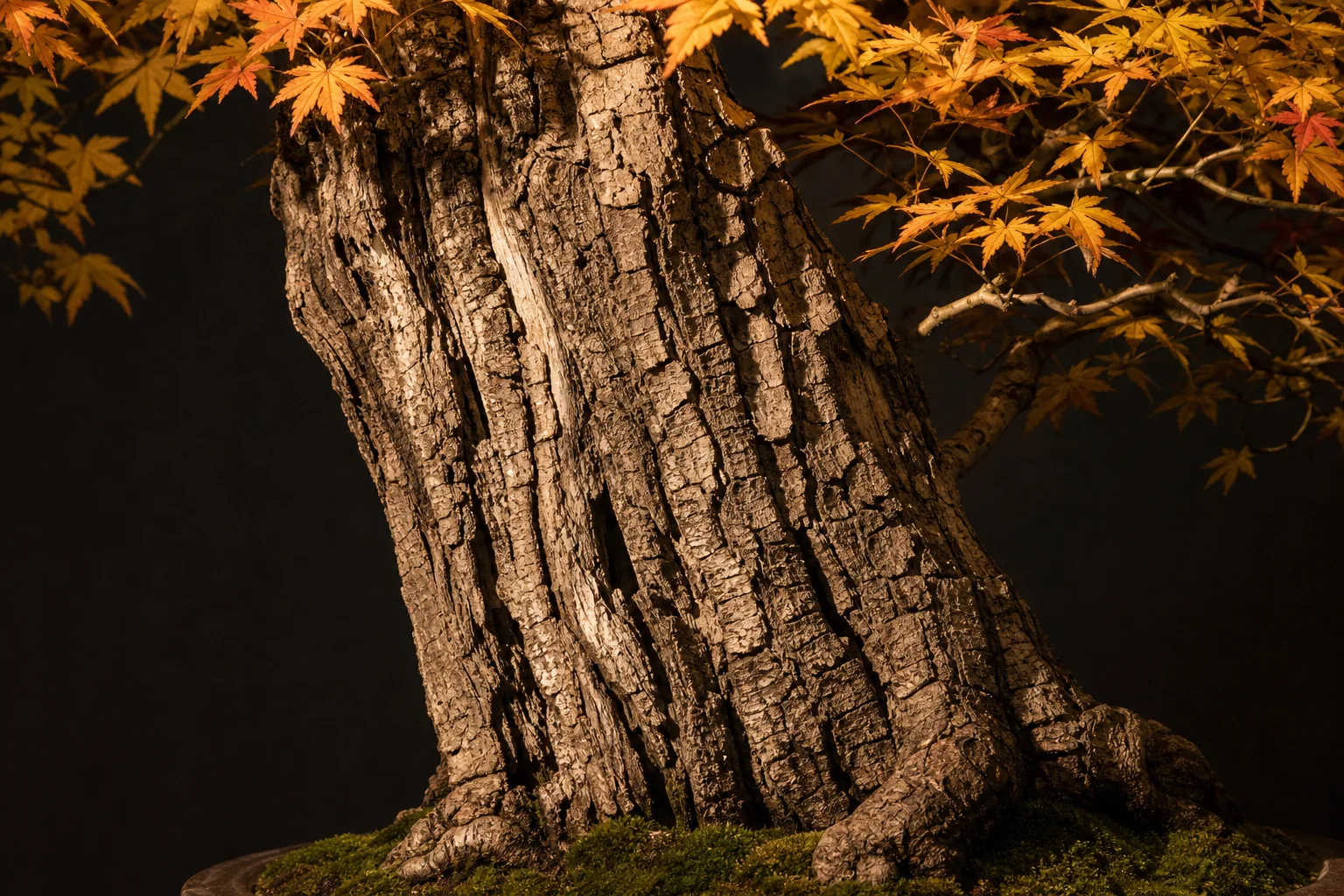
Arakawa maple bonsai care
Acer palmatum 'Arakawa'The rough-bark Japanese maple. Develops corky deeply fissured bark unique among palmatum cultivars — trunk character that takes other species 50 years to acquire.
Water
Every 1 day
check daily in summerLiquid feed
Every 7 days
growing seasonSolid feed
Every 28 days
slow releaseRotate
Every 14 days
even canopy growthArakawa (literally "rough river" or "rough bark") is the Japanese maple cultivar prized above all others for bark character. The young bark is smooth and standard for the species, but as the tree ages, the bark develops increasingly pronounced corky fissures, vertical splits, and plated character that gives the trunk a quality of weathered age unmatched by any other palmatum cultivar. A 30-year-old Arakawa bonsai has bark that looks closer to a century-old oak than a maple.
The trade-off is that bark development takes time and requires the trunk to thicken to reveal its character. A young Arakawa tree with a slender trunk looks like any other Japanese maple — the cultivar's defining feature only emerges as the trunk thickens, typically after 15–20 years of growth. For this reason, Arakawa material is most often purchased as mature specimens with the bark character already established, or developed slowly in growing beds before potting up.
Foliage is standard palmatum-like — five-lobed leaves typically 5–7cm, green through summer, transitioning to gold-orange-red in autumn. The cultivar grows vigorously when established, with internode length more like base palmatum than the compact Shishigashira or Kiyohime. This vigour can be used to advantage when growing on for trunk and bark development.
A subtle point about Arakawa: aggressive pruning of major branches removes the bark character on those sections. Plan major structural work early in development, before the corky bark establishes, then let the bark develop on the established structure rather than continuing to remove major sections.
Japanese cultivar known since at least the 19th century. The name describes the bark texture directly. Closely related rough-bark forms include Nishiki Sho and Ganseki Show, and some growers consider these to be different selections of essentially the same characteristic. Arakawa is the most widely recognised and propagated form.
Seasonal calendar
Timing is for South East England. Select your region above to see adjusted guidance.
- Structural pruning while dormant — plan early in development
- Watch corky bark for wind damage
- Begin repotting late month
- Final winter pruning
- Main repotting window
- Protect bark during handling
- Leaves emerge
- Begin daily watering
- First feed
- Start half-strength liquid feed
- Begin pinching
- Wiring window opens — check weekly on corky bark
- Defoliate healthy trees if desired
- Twice-daily watering in heat
- Continue pinching
- Reduce nitrogen feeding mid-month
- Watch wire on corky bark
- Stop feeding mid-month
- Reduce watering
- Gold-orange-red autumn colour
- Continue reducing watering
- Leaf drop
- Bark fully visible — main display season begins
- Structural pruning
- Winter is Arakawa's best display season — appreciate the bark
Watering
Daily through the growing season. Standard Japanese maple watering — twice daily in summer heat for trees in shallow pots. The cultivar's slightly vigorous habit means it tolerates inconsistent watering marginally better than dwarf cultivars but still demands consistent moisture.
In winter, regular but reduced watering. Use rainwater where possible.
Feeding
Weekly half-strength liquid feed from late April through to mid-September. Slow-release organic pellets in spring and early summer.
The cultivar tolerates slightly heavier feeding than Shishigashira or Kiyohime while in trunk-development phase — useful for building girth that will eventually show off the bark character. Reduce feeding once the desired trunk size has been achieved and the tree is in refinement.
Stop feeding by mid-September.
Soil & Repotting
Free-draining and slightly acidic. Standard Japanese maple substrate.
60% akadama, 30% pumice, 10% lava in 2–6mm grade. For trees in development phase building trunk girth, slightly coarser mixes with more pumice are acceptable. Rainwater preferred.
Repot every 2–3 years on young trees, every 3–4 on mature specimens with established bark. The window is mid-February through to early April. Repot as buds swell.
Arakawa tolerates moderate root work — up to a third of the root mass. The cultivar recovers reasonably quickly.
A specific consideration: avoid scraping or damaging the bark during repotting handling. The corky bark on mature trees is fragile and damage shows for years.
Pruning
Standard Japanese maple technique with two specific Arakawa considerations.
First, plan major structural pruning early. Once corky bark has established on a branch (typically after 10+ years), removing the branch eliminates that bark and the resulting cut, even if it heals cleanly, will look conspicuously smooth against the surrounding aged bark for decades. Major reductions should happen in the first decade of development, then leave the established structure intact while developing ramification.
Second, the bark character extends along the developing wood. Branches that are kept and allowed to thicken will develop bark character along their length. Branches that are repeatedly removed and regrown won't.
Beyond these considerations, standard maple pruning applies. Through the growing season, allow new shoots to extend to 4–5 leaves then cut back to 2. Pinch every two to three weeks. Structural work in late winter.
Defoliation works well on healthy trees and produces refined second-flush foliage. The cultivar can take annual defoliation on vigorous specimens.
Wiring & Styling
Wire after leaves harden in early summer or on bare branches in winter.
A critical Arakawa wiring consideration: wire bites in dramatically faster on corky bark than smooth bark, and wire scars are essentially permanent on the aged bark surface. Apply very loosely, check weekly during active growth, and remove and re-apply often rather than leaving wire on for extended periods. Some growers avoid wire entirely on mature Arakawa specimens and rely exclusively on directional pruning.
Aluminium for almost all work; copper only for major structural branches on younger material before bark character has developed.
Informal upright is the classic Arakawa style — the cultivar's natural habit and the corky bark suit this form ideally. Twin-trunk and clump styles work well. Substantial vertical trunks that showcase the developed bark character are particularly fine.
Cascade and semi-cascade are uncommon but possible on suitable material. Forest plantings work but are less effective — the bark character is the cultivar's main asset and individual trunks display it better than groups.
The bark is the main visual feature — styling should ensure the trunk is clearly visible from typical viewing angles rather than hidden behind dense foliage.
Winter care
Hardy across most of the UK with no protection needed in normal winters. The mature corky bark provides better insulation against winter cold than smooth bark — established Arakawa specimens are slightly more cold-tolerant than young plants of the same cultivar.
The main winter concern is wind on the bark — exposed positions in strong wind can desiccate older corky bark and cause flaking. Provide some shelter in exposed gardens.
Never bring indoors.
Propagation
Always grafted onto Acer palmatum rootstock. Cuttings rarely succeed and don't reliably reproduce the bark character. Air layering of established Arakawa branches can produce own-root specimens but the bark character takes years to redevelop on the resulting tree.
Common problems
Generally healthy. Inherits base palmatum's vulnerabilities but the established bark provides some protection against borers and trunk issues.
Wire damage to corky bark
Symptoms: Permanent spiral scars on the bark, sometimes flaking away around former wire positions.
Cause: Wire left on too long on aged corky bark — far less forgiving than smooth bark.
Solution: Check wire weekly during active growth. Remove and re-apply often rather than leaving in place for full seasons. On mature specimens, consider directional pruning instead of wire.
Slow bark development
Symptoms: Tree grows but bark remains smooth for many years.
Cause: Normal — Arakawa bark character takes 10–20 years to establish, depending on trunk diameter and growing conditions.
Solution: Patience. Vigorous growth (slightly heavier feeding, allowing extension on lower branches) accelerates trunk thickening which accelerates bark development. Once trunk is at desired size, transition to refinement.
Bark damage from major pruning
Symptoms: Removed branches leave smooth healing wounds that contrast with established corky bark around them.
Cause: Major pruning on established Arakawa removes bark character permanently from that section.
Solution: Avoid major reductions once bark character is established. Plan structure early in development. If a major cut is unavoidable, the smooth scar will persist indefinitely as a feature.
Verticillium wilt
Symptoms: Individual branches die back; dark streaking in cut wood.
Cause: Soil-borne fungus.
Solution: No cure. Remove affected branches. Removing bark-character branches is especially regrettable on Arakawa.
Aphids
Symptoms: Curled sticky leaves in spring.
Cause: Standard spring pest pressure.
Solution: Hose off. Neem if persistent.
Borers in corky bark
Symptoms: Small holes in the corky bark with fine sawdust.
Cause: Various wood-boring insects can colonise the textured bark surface.
Solution: Inspect annually. Probe holes with fine wire to check for active larvae. Systemic insecticide if active infestation found. Rarely fatal but worth monitoring.
Popular cultivars
The classic rough-bark Japanese maple. The most widely recognised cork-bark cultivar.
Closely related rough-bark form, sometimes considered a distinct cultivar, sometimes lumped with Arakawa. Slightly different bark texture.
Less common rough-bark cultivar. Bark slightly more plated than Arakawa.
Cork-bark form with slightly smaller leaves. Less commonly available outside Japan.
Track your Arakawa maple with Kentai.
Collection tracking, care logs and photo history are free — no card, no time limit.
More care guides
Other Acer guides: Deshojo maple · Field maple · Full-moon maple · Japanese maple · Kiyohime maple · Sango Kaku maple · Shishigashira maple · Trident maple
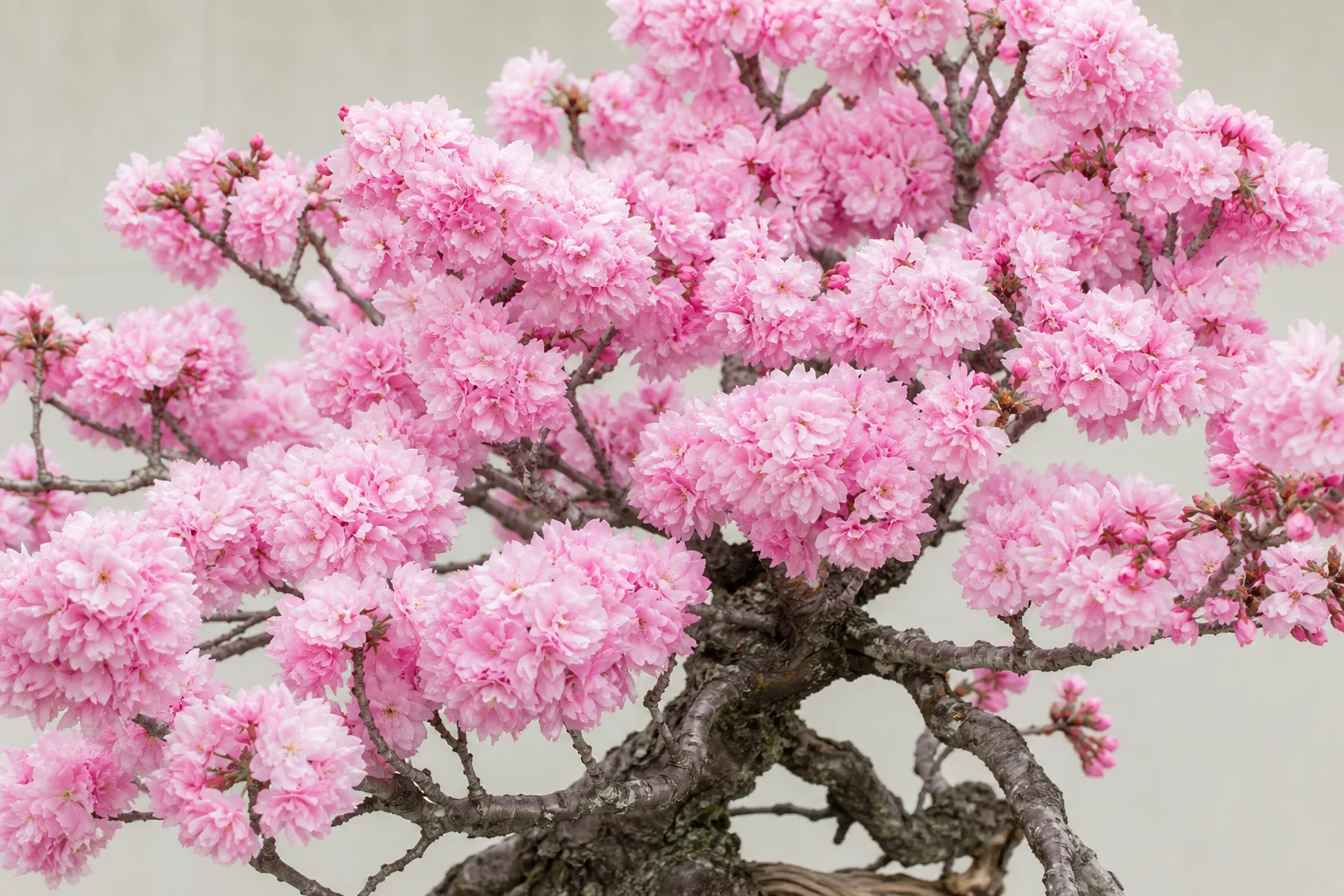
Cherry / Prunus
PrunusThe sakura genus. Includes Japanese flowering cherry, plum, peach, almond, and apricot — and produces some of the most culturally significant flowering bonsai in the tradition. Demanding but unforgettable.
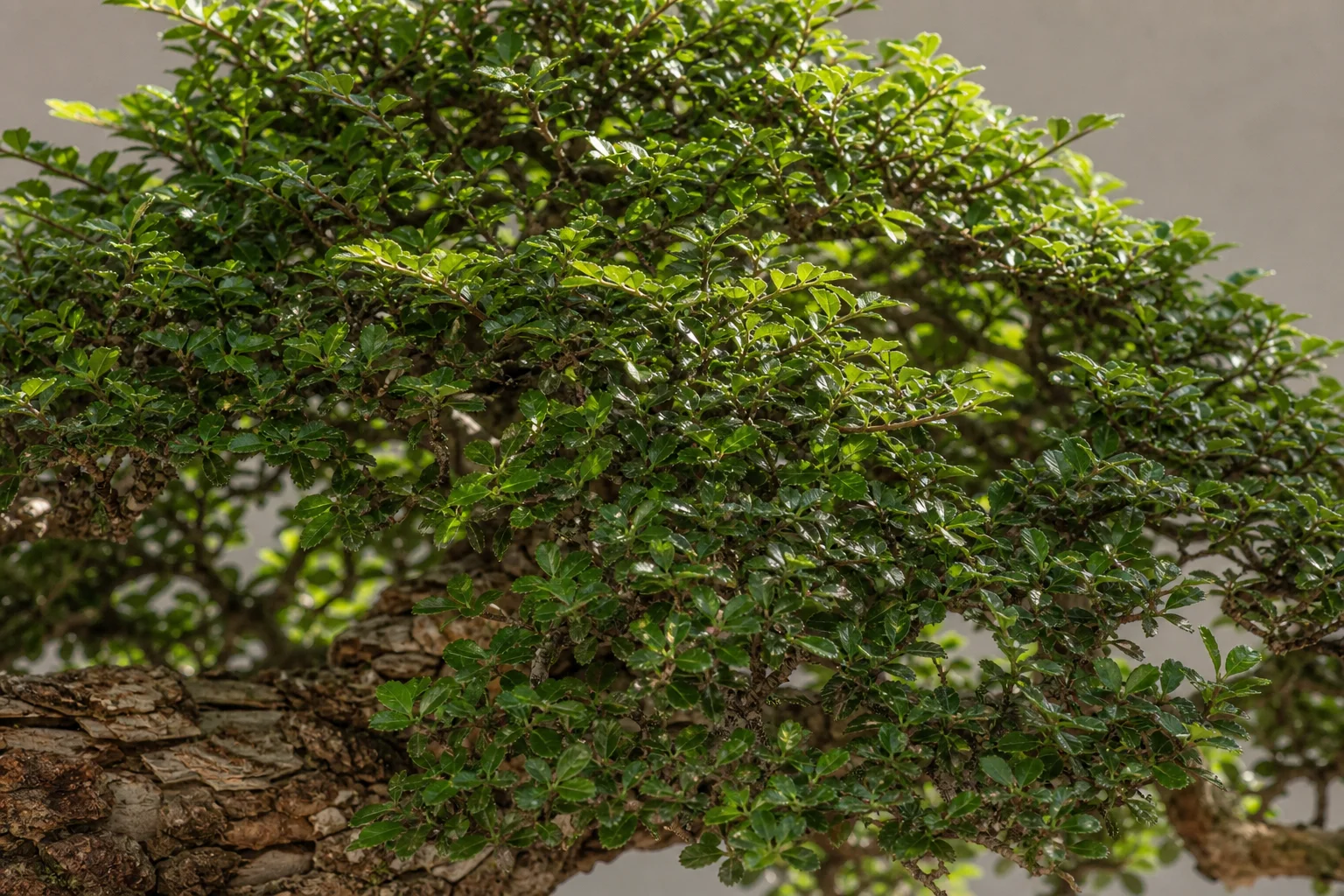
Chinese elm
Ulmus parvifoliaThe most forgiving deciduous bonsai. Fast, vigorous, tolerant of mistakes, and beautiful in every season.
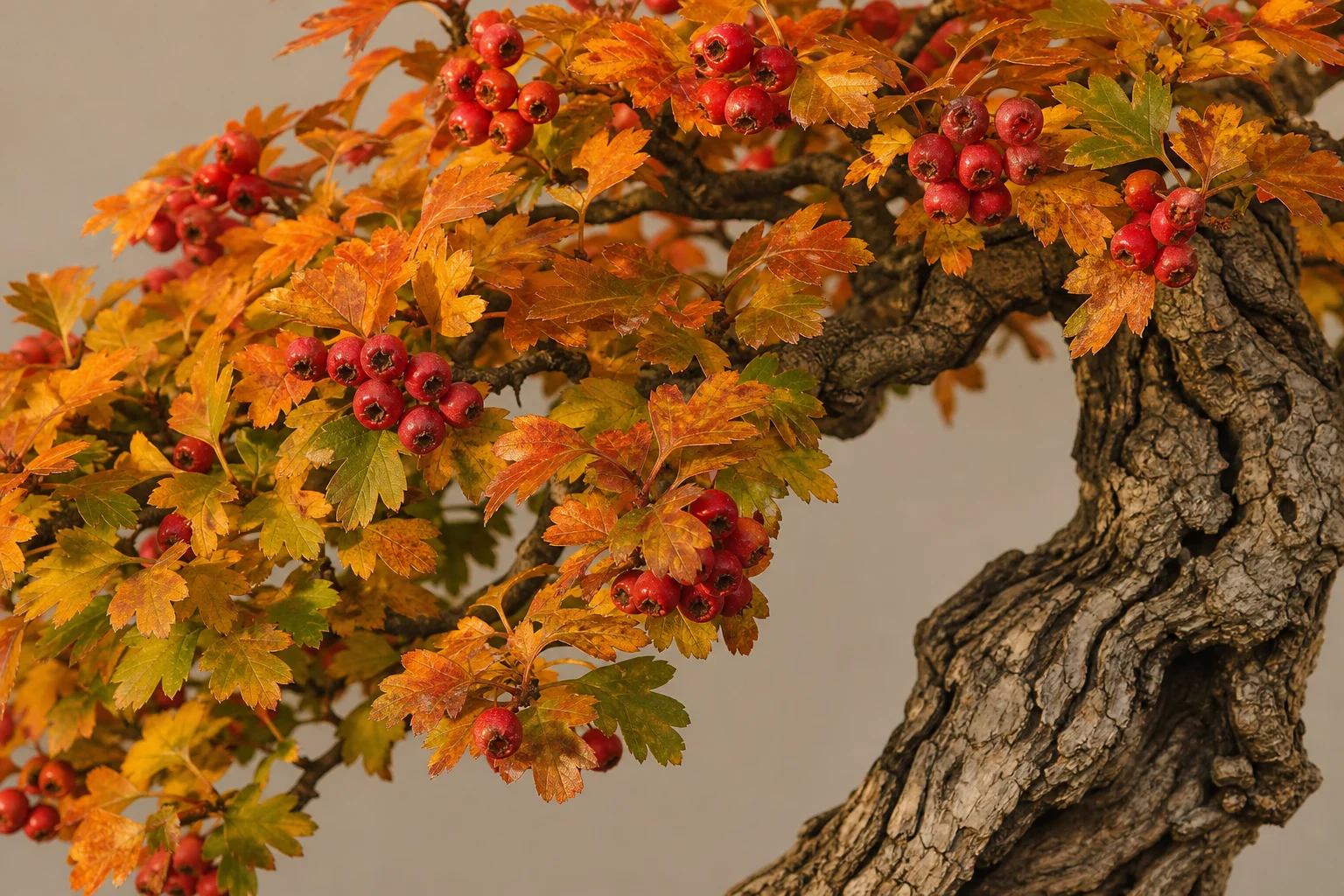
Common hawthorn
Crataegus monogynaThe everywhere tree. Bulletproof hardy, flowers in May, red berries in autumn, and the species behind some of the finest collected bonsai in the UK.