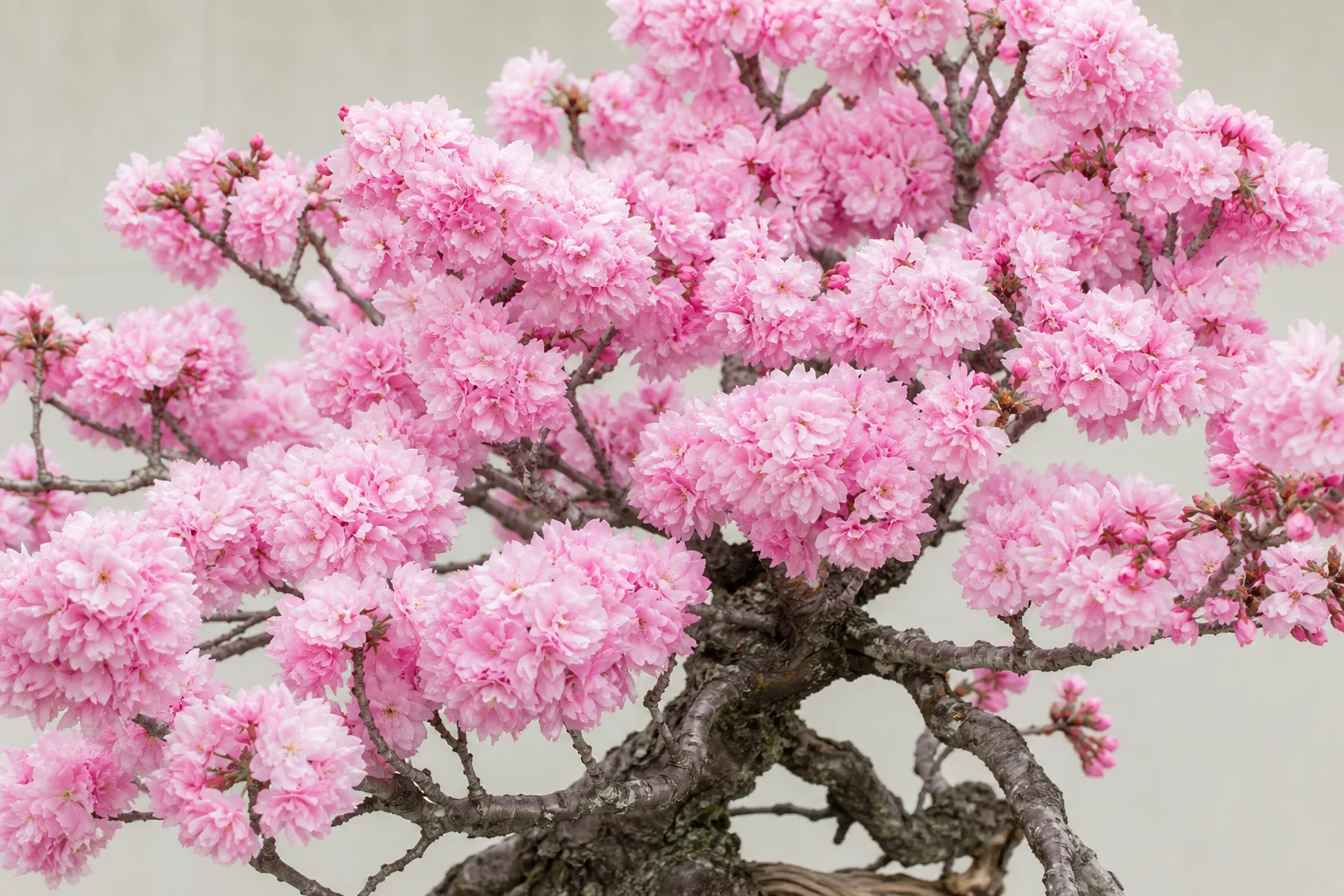
Cherry / Prunus bonsai care
PrunusThe sakura genus. Includes Japanese flowering cherry, plum, peach, almond, and apricot — and produces some of the most culturally significant flowering bonsai in the tradition. Demanding but unforgettable.
Water
Every 1 day
check daily in summerLiquid feed
Every 7 days
growing seasonSolid feed
Every 28 days
slow releaseRotate
Every 14 days
even canopy growthPrunus is a large and culturally weighty genus that includes most of the spring-flowering bonsai associated with East Asian aesthetic tradition. The genus includes Prunus serrulata (Japanese flowering cherry, sakura), Prunus mume (Japanese apricot, ume — the species that flowers earliest, often in February on bare wood), Prunus persica (peach), Prunus avium (sweet cherry), Prunus salicina (Japanese plum), and many more. For bonsai purposes the species share enough care characteristics to be covered together, with cultivar-specific notes.
The cultural weight is substantial. Hanami (cherry blossom viewing) in Japan dates back over 1,200 years and remains a major annual cultural event. Ume blossom viewing predates cherry viewing and is the traditional symbol of spring's arrival. Both species have been bonsai subjects for centuries, with refined techniques and traditional aesthetic conventions accumulated over generations of work.
Practical reality for UK growers is mixed. Prunus bonsai are demanding compared to most flowering species. The genus shares Rosaceae disease vulnerabilities — silver leaf (Chondrostereum purpureum), bacterial canker (Pseudomonas syringae), and various fungal issues are all serious concerns. Pruning timing matters more than for most species — wrong-time pruning can introduce disease that proves fatal. And many cultivated Prunus are grafted onto rootstocks that show through with time, complicating long-term bonsai work.
For new growers wanting flowering bonsai, start with Chaenomeles or crab apple. After 2–3 years of bonsai experience including managing disease pressure on Rosaceae species, consider Prunus.
The single most important pruning rule for the entire genus: avoid winter pruning. Cut wounds in winter and early spring are infection points for silver leaf and bacterial canker. Major structural work should happen in mid-summer (June–July) when the tree's defences are most active. This is the opposite of most deciduous bonsai pruning advice and is critical for Prunus survival.
The Prunus genus is spread across the temperate Northern Hemisphere with approximately 400 species. Most bonsai-suitable species originate from East Asia, particularly China, Japan, and Korea, where the genus has been cultivated for fruit, flowers, and ornament for thousands of years. P. mume is documented in Chinese poetry from 1,500+ years ago. P. serrulata cultivars have been bred in Japan for over 1,000 years.
Seasonal calendar
Timing is for South East England. Select your region above to see adjusted guidance.
- Avoid any pruning on Prunus
- Plan summer pruning work
- P. mume may flower late month
- Begin repotting late month
- Still avoid pruning
- Repotting window
- P. mume flowering peaks
- Cherry blossoms beginning
- Protect from late frost during bloom
- Peak flowering for most cherry species
- Start weekly liquid feed
- Begin light pinching
- Major structural pruning window opens
- Continue pinching
- Wiring possible
- Best pruning window — defences strongest
- Switch to high-K feed mid-month
- Continue summer pruning if needed
- Continue high-K feeding
- Stop feeding late month
- Reduce watering
- Autumn colour
- Stop pruning completely
- Leaf drop
- Begin period of no cutting until June
- No pruning — disease prevention
- Light wiring only on bare branches
Watering
Daily through the growing season. Prunus is moderately thirsty and consistent watering produces better flowering and fruiting.
In hot summer weather, twice daily for trees in shallow pots. In winter while dormant, reduce watering significantly.
Tap water of any hardness is fine.
Feeding
Weekly liquid feed from late April through to mid-September. Slow-release organic pellets in spring and early summer.
For flowering species, switch to high-K low-N feed from mid-July through August to support next year's flower bud development. Stop feeding by late September.
Don't feed during flowering — energy goes to flowers rather than vegetative growth.
Soil & Repotting
Free-draining and slightly acidic. The genus tolerates a range of substrates.
60% akadama, 30% pumice, 10% lava is reliable. The genus performs well in standard deciduous mixes.
Repot every 2–3 years on young trees, every 3–4 on mature specimens. The window is mid-February through to early April. Repot as buds swell.
Prunus tolerates moderate root work — up to a third of the root mass on healthy trees. The species recovers reasonably quickly but is more disease-prone after repotting than tougher species — clean tools and clean conditions matter.
Don't combine repotting with major pruning in the same year. The tree needs all its energy for one or the other.
Pruning
The critical Prunus rule: avoid winter and early spring pruning. Cut wounds in cold conditions are infection points for silver leaf disease, which is frequently fatal.
Major structural pruning should happen in mid-summer (June–July), after flowering and during the period when tree defences are most active and wounds heal fastest. This is the opposite of standard deciduous bonsai pruning timing.
Through the growing season, light pinching of new shoots back to 2–3 leaves once 4–5 develop. The species flowers on previous year's wood, so leave some shoots to extend through summer to provide flowering display.
After flowering ends (May for cherry, March for ume), cleanup pruning is acceptable.
Use sharp tools, disinfect between trees, and apply cut paste or sealant to larger wounds. The species responds badly to torn or ragged cuts.
Defoliation isn't a useful technique for Prunus and may introduce disease through stress.
Wiring & Styling
Wire after leaves harden in early summer. Prunus bark is thin and marks visibly — apply loosely and check fortnightly. Aluminium for almost all work; copper rarely needed.
The species' fast growth means wire bites in quickly. Many Prunus growers minimise wire use and rely on directional pruning, accepting limitations.
Informal upright is the natural fit. Twin-trunk and multi-trunk styles work well. The genus suits naturalistic compositions that showcase the spring flowering display.
For P. mume specifically, the literati style works particularly well — referencing the classical Japanese painting tradition of single twisted ume trunks against snow.
Cascade and semi-cascade are uncommon but possible. Formal upright doesn't suit most species in the genus.
The flowering display is the genus's main aesthetic asset — styling should ensure flowering wood is clearly visible from typical viewing angles.
Winter care
Hardy across most of the UK in normal winters. Most Prunus species are rated H6 and tolerate typical British winters without complaint. Some cultivars are H5 and benefit from shelter in colder regions.
The main winter consideration is moisture management — saturated cold roots cause issues. Tilt pots for drainage.
Hard late frost on opening flowers eliminates the year's display. Shelter trees overnight if -2°C or colder is forecast during the bloom period. The flowering wood itself isn't harmed.
Never bring indoors.
Propagation
Almost exclusively grafted in commercial cultivar production — onto P. avium or various dwarfing rootstocks. From seed possible but produces variable seedlings and slow flowering. Air layering possible but slow. Most quality Prunus bonsai material is purchased as grafted nursery stock from named flowering cultivars and developed over years.
Common problems
The major issues are Rosaceae diseases — silver leaf and bacterial canker are the most serious concerns specific to this genus.
Silver leaf disease (Chondrostereum purpureum)
Symptoms: Foliage develops silvery sheen on affected branches; affected branches die back over months; fungal brackets may appear on dead wood.
Cause: Fungal disease entering through pruning cuts in cold conditions. The single most serious threat to Prunus bonsai.
Solution: Prevention via summer pruning only (June–July). Disinfect tools between trees. Apply cut paste to wounds. Remove and burn (not compost) affected branches well below visible damage. Severely affected trees often must be destroyed.
Bacterial canker (Pseudomonas syringae)
Symptoms: Sunken cankers on bark with gum oozing; affected branches die back; small holes (shot-hole) on leaves.
Cause: Bacterial disease entering through pruning cuts and wounds.
Solution: Cut back well below visible damage. Disinfect tools. Apply Bordeaux mixture preventatively in autumn and late winter. Severe cases may require destruction.
Brown rot (Monilinia laxa)
Symptoms: Flowers and shoot tips brown and die; affected wood develops grey-brown mould; fruit (where formed) rots on the tree.
Cause: Fungal disease, worst in damp weather during flowering.
Solution: Remove and bin affected material. Improve airflow. Copper fungicide preventatively if recurring.
Peach leaf curl (Taphrina deformans)
Symptoms: Leaves develop red blistered appearance, particularly on Prunus persica and related species.
Cause: Fungal disease, infects in cold wet spring weather.
Solution: Protect emerging foliage from rain in early spring (the disease infects when leaves are emerging and rain is present). Copper fungicide preventatively in late winter. Affected leaves don't recover; new leaves emerge after the initial flush.
Aphids
Symptoms: Curled sticky young leaves; ants present.
Cause: Standard spring pest pressure, particularly heavy on Prunus.
Solution: Hose off carefully during and after flowering. Neem oil if persistent.
Failure to flower
Symptoms: Tree produces vigorous foliage but few or no flowers.
Cause: Wrong pruning timing (winter pruning eliminating flowering wood), overfeeding with nitrogen, or insufficient sunlight.
Solution: Confine pruning to summer (June–July). Use high-K low-N feeds from mid-July. Ensure full sun position. P. mume in particular needs adequate cold winter dormancy to flower properly.
Popular cultivars
The earliest flowering — often in February on bare wood. Pink, white, or red flowers. Major cultural significance in East Asia. Refined and beautiful as bonsai but requires summer pruning discipline.
Sakura. Multiple cultivars: 'Kanzan' (deep pink double), 'Shirotae' (white double), 'Amanogawa' (columnar, pale pink). Spring flowering — typically late April to May in UK.
Pink flowers on bare wood in early-mid spring. Vulnerable to peach leaf curl. Excellent for bonsai with disease management.
White flowers in early spring. Suitable for medium bonsai.
UK native sweet cherry. White flowers, small fruit. Less common in bonsai but suitable. Bark develops attractive horizontal lenticels.
Cultivar group flowering sporadically from November through to spring. 'Autumnalis' produces winter blooms. Distinctive seasonal pattern.
Track your Cherry / Prunus with Kentai.
Collection tracking, care logs and photo history are free — no card, no time limit.
More care guides
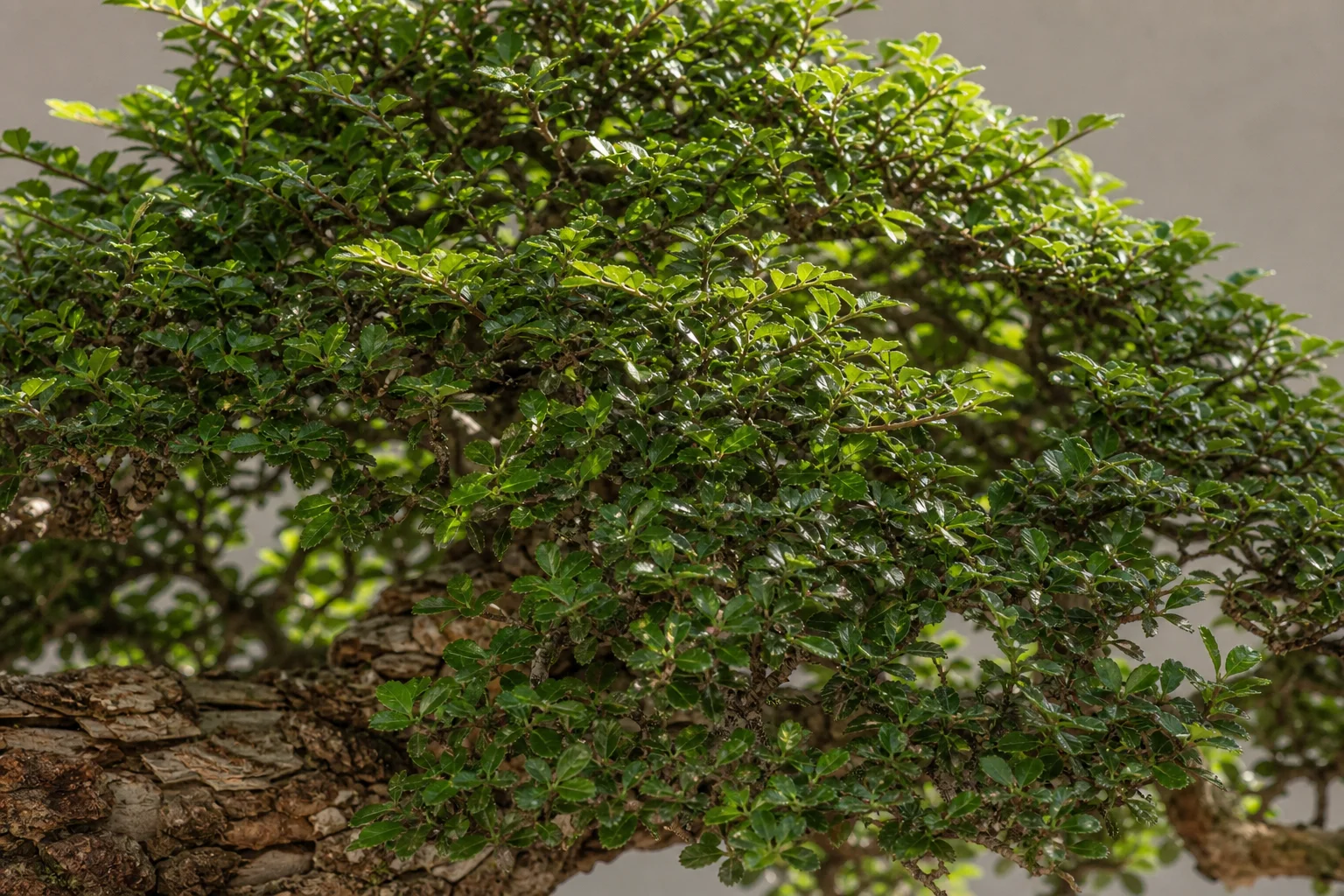
Chinese elm
Ulmus parvifoliaThe most forgiving deciduous bonsai. Fast, vigorous, tolerant of mistakes, and beautiful in every season.
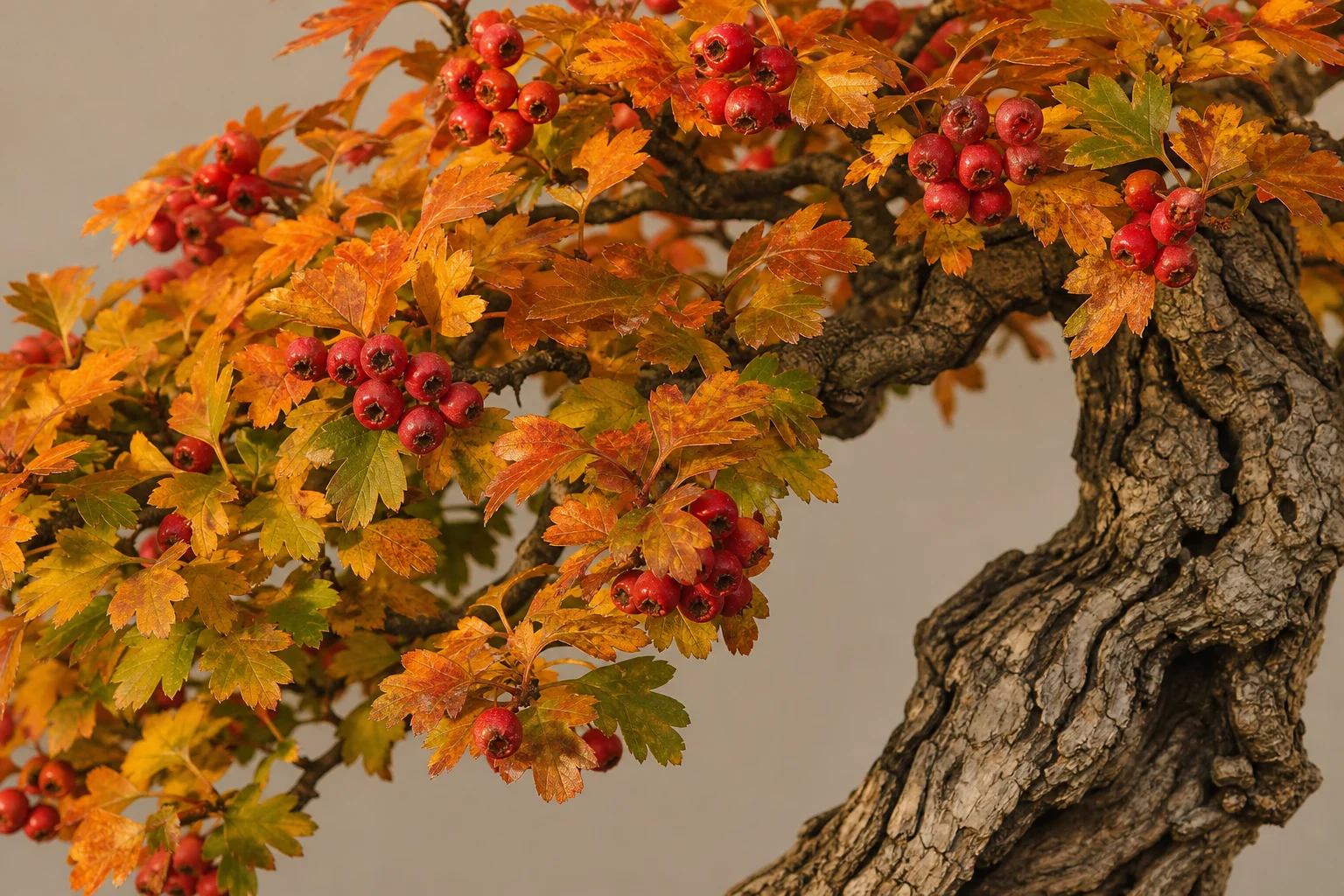
Common hawthorn
Crataegus monogynaThe everywhere tree. Bulletproof hardy, flowers in May, red berries in autumn, and the species behind some of the finest collected bonsai in the UK.
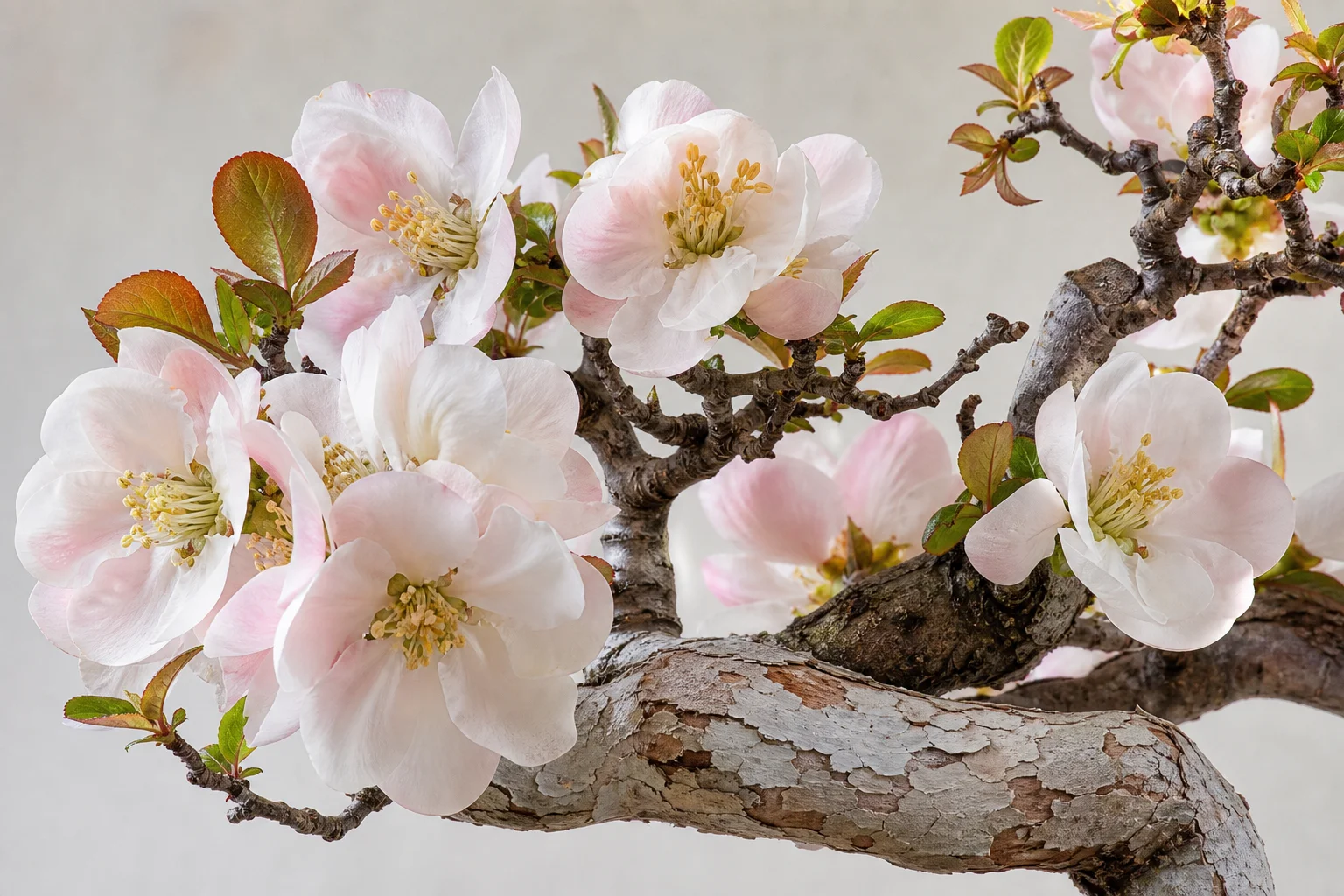
Common quince
Cydonia oblongaThe other quince. Distinct from flowering quince (Chaenomeles) — larger leaves, larger pale pink-white flowers, and aromatic golden-yellow fruit. The species that gives us quince jelly.