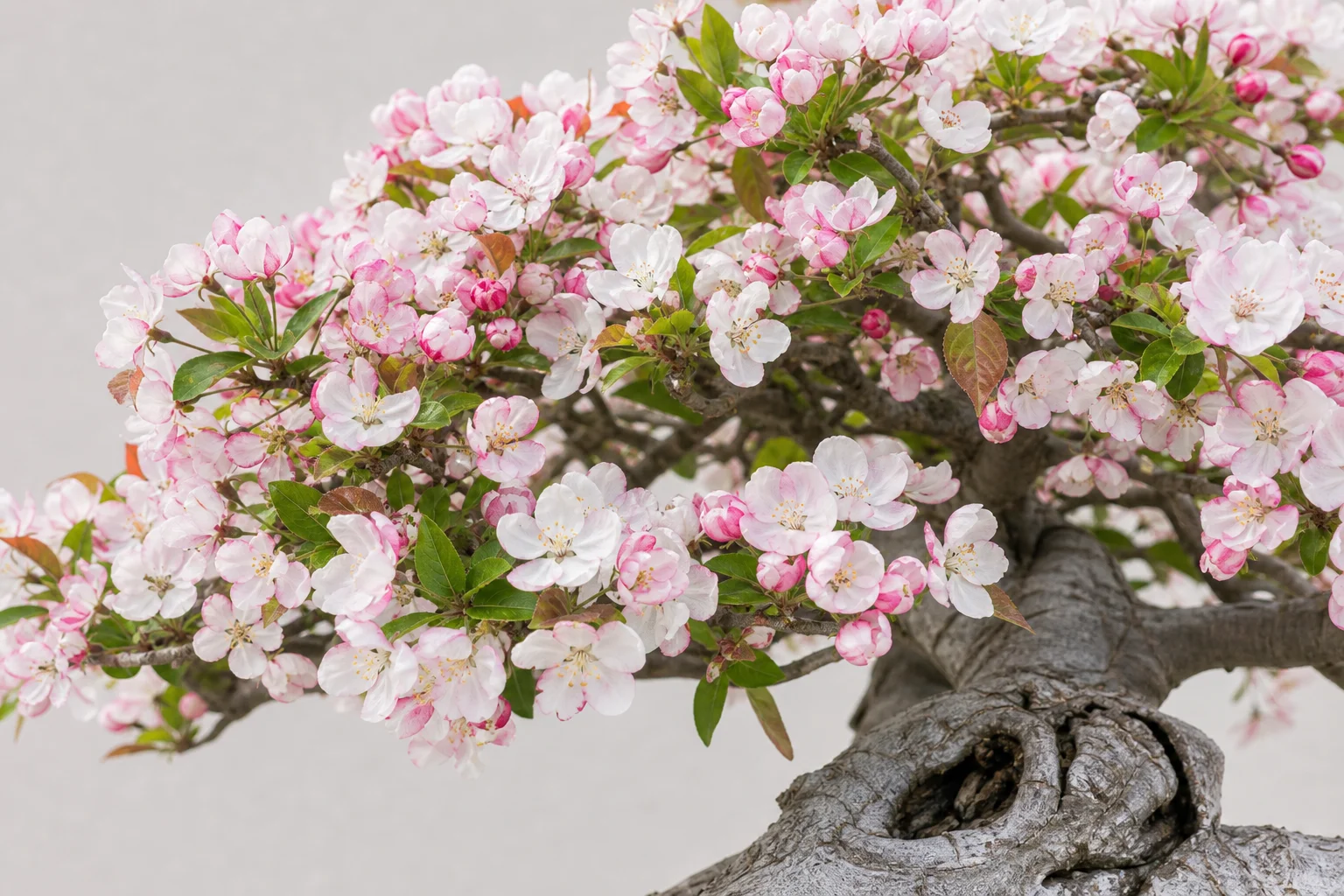
Crab apple bonsai care
Malus sylvestrisPink-and-white spring blossom, small bright fruit in autumn, and the genuine theatre of a tree that performs differently every month of the year.
Water
Every 1 day
check daily in summerLiquid feed
Every 7 days
growing seasonSolid feed
Every 28 days
slow releaseRotate
Every 14 days
even canopy growthCrab apple is the bonsai species that demands the most theatrical patience. There are months when the tree looks ordinary — early summer, late summer, midwinter. There are also four or five weeks in spring when it stops you in your tracks, covered in pink-flushed white blossom, and another period in early autumn when the small bright fruit appears against turning leaves. Most bonsai species have one good season. Crab apple has two great ones, and the rest of the time it's quietly accumulating bark character.
The genus offers tremendous variety. The native Malus sylvestris (wild crab) is one option but several Asian and hybrid species — Malus sieboldii, Malus halliana, Malus × zumi, Malus toringo — are more popular for bonsai because they have smaller leaves and more abundant flowering. Pick the cultivar carefully; crab apple bonsai differ significantly between varieties.
Care is moderately demanding. The species is hardy and forgiving in most respects but susceptible to several specific Rosaceae diseases (apple scab in particular), and the flower/fruit cycle means pruning timing must accommodate the display you want to keep.
Malus sylvestris is native to most of Europe including the UK. The bonsai genus extends to species from China, Japan, and across temperate Asia. The cultivated apple (Malus domestica) is a complex hybrid descended from wild populations primarily in Kazakhstan. Most ornamental crab apples grown in UK gardens are Asian species or hybrids; the native UK species is rarer and harder to find as nursery stock.
Seasonal calendar
Timing is for South East England. Select your region above to see adjusted guidance.
- Structural pruning while fully dormant
- Plan year ahead
- Begin repotting late month as buds swell
- Final winter pruning
- Main repotting window
- First buds break late month
- Spring flowering — leave undisturbed
- Begin daily watering
- First feed
- Flowering may continue
- Start weekly liquid feed
- Fruit set
- Thin excess fruit to 3-5 per tree
- Light pinching only
- Wiring window opens
- Twice-daily watering in heat
- Fruit developing
- Reduce nitrogen feeding
- Watch for scab and mildew
- Fruit colouring
- Switch to low-N autumn feed
- Autumn colour and fruit display
- Optional autumn repot in mild regions
- Leaf drop
- Fruit may persist depending on cultivar
- Structural pruning
- Winter wiring
Watering
Daily through the growing season. Crab apples are thirsty in full leaf and during fruit development — a pot allowed to dry during fruiting can cause fruit drop and weaken the tree for the following year.
Twice daily in summer heat. In winter, regular checking — apples are fully deciduous and dormant but mild winter rain keeps pots wet enough that overwatering is more common than underwatering.
Tap water of any hardness is fine.
Feeding
Weekly liquid feed from late April through to mid-September. Slow-release organic pellets in spring and again in early summer. For flowering and fruiting, ensure adequate phosphorus and potassium — a balanced or slightly high-PK feed produces better display.
Stop nitrogen-heavy feeding from late August so wood ripens for winter. Continue with a low-N autumn feed for 3–4 weeks if developing fruit are still on the tree.
Soil & Repotting
Free-draining and slightly acidic to neutral. Apples are unfussy about substrate.
60% akadama, 30% pumice, 10% lava is reliable. The species tolerates a wide range of mixes.
Repot every 2–3 years for young trees, every 3–5 for mature specimens. The window is late February through early April — repot as buds swell but before they break.
The species tolerates moderate root work — up to a third of the root mass on healthy trees. Recovery is good but not as vigorous as elm or cotoneaster. Don't bare-root.
A specific consideration: crab apples can be repotted in autumn (October) in mild UK regions, after leaf drop but before hard frost. This is less common than spring repotting but suits some growers' schedules.
Pruning
Crab apple pruning is the species' main complication, because the flowering and fruiting cycle interacts with pruning timing.
Flowers form on short spurs on previous year's wood. Aggressive pruning of last year's growth eliminates this year's flowers. If you want a flowering and fruiting tree, the rule is: structural pruning in late winter, light pinching of unwanted new growth through summer, but don't shorten extending shoots until after flowering and fruiting are complete.
For trees being developed (where flowering is less important), normal extension-and-cutback pinching applies. Let new shoots extend to 5–6 leaves, cut back to 2.
The species back-buds reasonably reliably on old wood but slower than elm or cotoneaster. Plan structural pruning carefully.
Fruit thinning: heavy fruit set can weaken a bonsai significantly. Remove most fruit when small (June) and leave only a few for display. Three or four well-placed fruits look better than dozens hanging the tree down anyway.
Wiring & Styling
Wire after leaves harden in early summer or on bare branches in winter. Apple bark is fairly forgiving. Aluminium for most work; copper for thicker structural branches.
The species' growth is moderate — wire can usually stay on for 3–4 months without biting in.
Informal upright is the natural fit. Twin-trunk, clump, and forest plantings all work well. The species' broad-crowned mature habit suits broom-style trees particularly well.
The species' character favours styles that emphasise both the trunk and the seasonal display. Avoid styles that hide the canopy (no formal upright with strict horizontal branches) or that don't suit the natural habit (no literati or cascade).
Deadwood is less commonly featured than on conifers but possible on collected material.
Winter care
Fully hardy across the UK with no protection needed. Crab apples handle British winters without complaint.
Pots in exposed positions benefit from shelter from prevailing wind in late winter to protect swelling buds. Otherwise no special protection.
A specific consideration: heavy fruit can persist into winter, depending on cultivar and bird pressure. Persistent fruit is a feature, not a problem.
Never bring indoors.
Propagation
From seed — variable but useful for development material. Seeds need cold stratification through winter. Cultivars don't come true from seed (crab apples are typically self-incompatible) — apple varieties are propagated by grafting.
From cuttings — possible but difficult. Air layering works moderately. Most quality crab apple bonsai is grown from grafted nursery stock or developed from young garden centre material over a decade or more.
Common problems
Crab apples share most diseases of cultivated apples. Apple scab is the most common and serious; fireblight and various pests also occur.
Apple scab (Venturia inaequalis)
Symptoms: Olive-brown scabby spots on leaves and fruit; affected leaves yellow and drop early; fruit develops corky lesions.
Cause: Fungal disease, the major problem of the genus. Worst in wet springs.
Solution: Improve airflow. Remove and bin (not compost) all fallen leaves promptly to break the cycle. Copper fungicide as a preventative in early spring. Choose resistant cultivars (Malus toringo subsp. sargentii, Evereste, and Sentinel are notably resistant).
Powdery mildew
Symptoms: White coating on leaves and shoot tips in summer.
Cause: Fungal, encouraged by humid stagnant air.
Solution: Improve airflow. Remove worst-affected growth. Milk-water spray or sulphur fungicide. Less serious than scab.
Fireblight (Erwinia amylovora)
Symptoms: Sudden blackening of shoots and flowers, looking scorched.
Cause: Bacterial disease.
Solution: Cut back well below visible damage. Disinfect tools. Burn affected wood. Choose resistant cultivars where possible.
Woolly aphid
Symptoms: White cottony patches on branches.
Cause: Common pest of apples.
Solution: Wash off with water jet, repeat weekly. Systemic insecticide if severe.
Codling moth
Symptoms: Holes in fruit; small caterpillars inside.
Cause: The classic apple pest.
Solution: Pheromone traps in May–June reduce egg-laying. Affected fruit should be removed. Rarely worth significant intervention on bonsai.
Premature fruit drop
Symptoms: Small developing fruit fall in early summer.
Cause: Natural — the tree drops excess fruit it can't support. Heavy stress (drought, severe pruning) increases the drop.
Solution: Maintain consistent watering. Some fruit drop is healthy and normal. If most fruit drops, check for root issues or recent stress.
Popular cultivars
UK native. Variable but useful for development; collected wild material from old hedgerows can be excellent.
Japanese species, small leaves, abundant small red or yellow fruit. Excellent for bonsai — one of the most popular for the genus.
Hall's crab apple. Profuse pink flowers, small fruit. Very popular bonsai cultivar.
Dwarf crab with white flowers and red fruit. Particularly resistant to scab. Recommended for first crab apple bonsai.
Modern cultivar with white flowers and orange-red fruit. Strong scab resistance. Excellent garden centre choice for bonsai conversion.
Track your Crab apple with Kentai.
Collection tracking, care logs and photo history are free — no card, no time limit.
More care guides
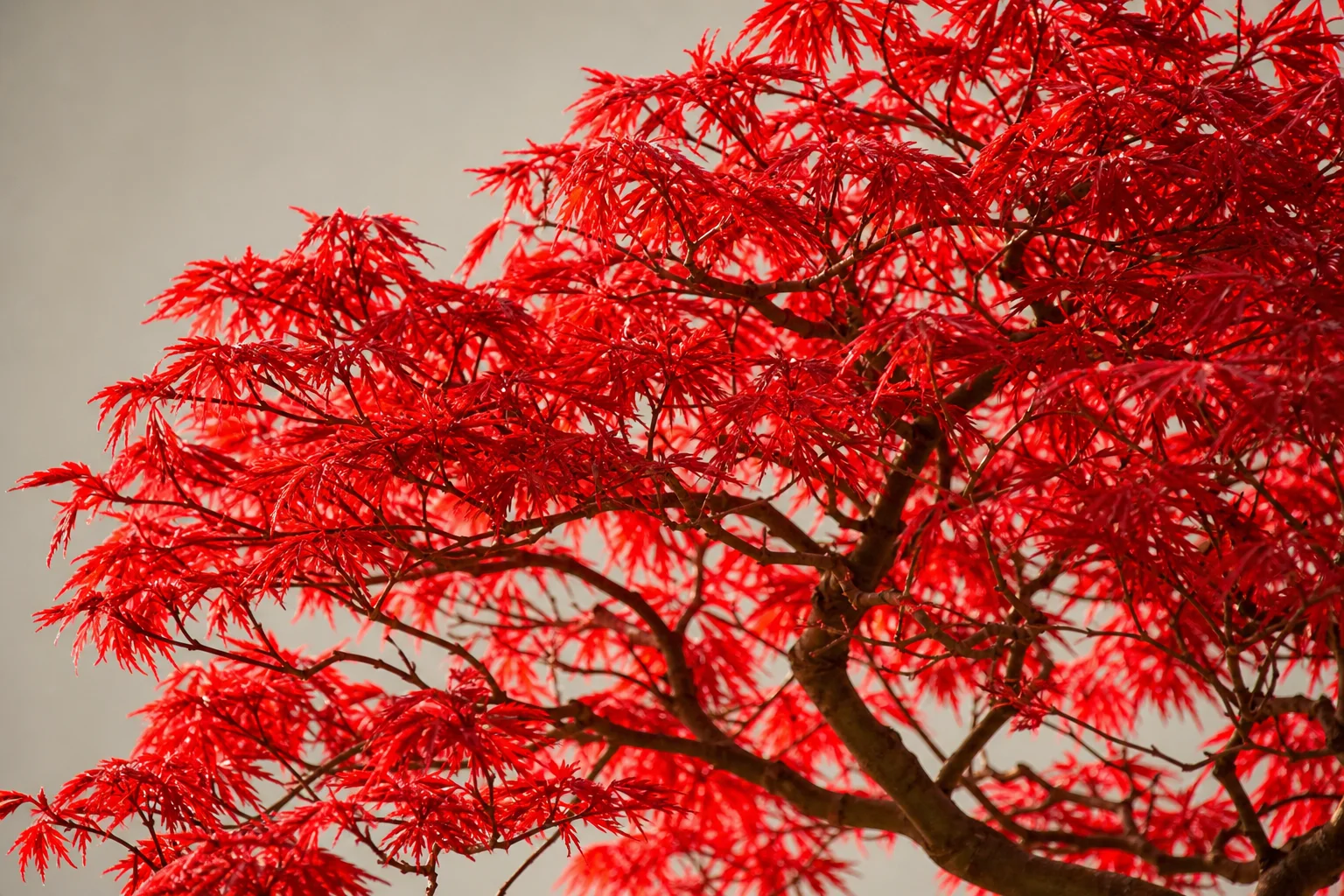
Deshojo maple
Acer palmatum 'Deshojo'Brilliant scarlet spring foliage that fades to green-bronze through summer and returns to red in autumn. The most theatrical of the common Japanese maple cultivars.
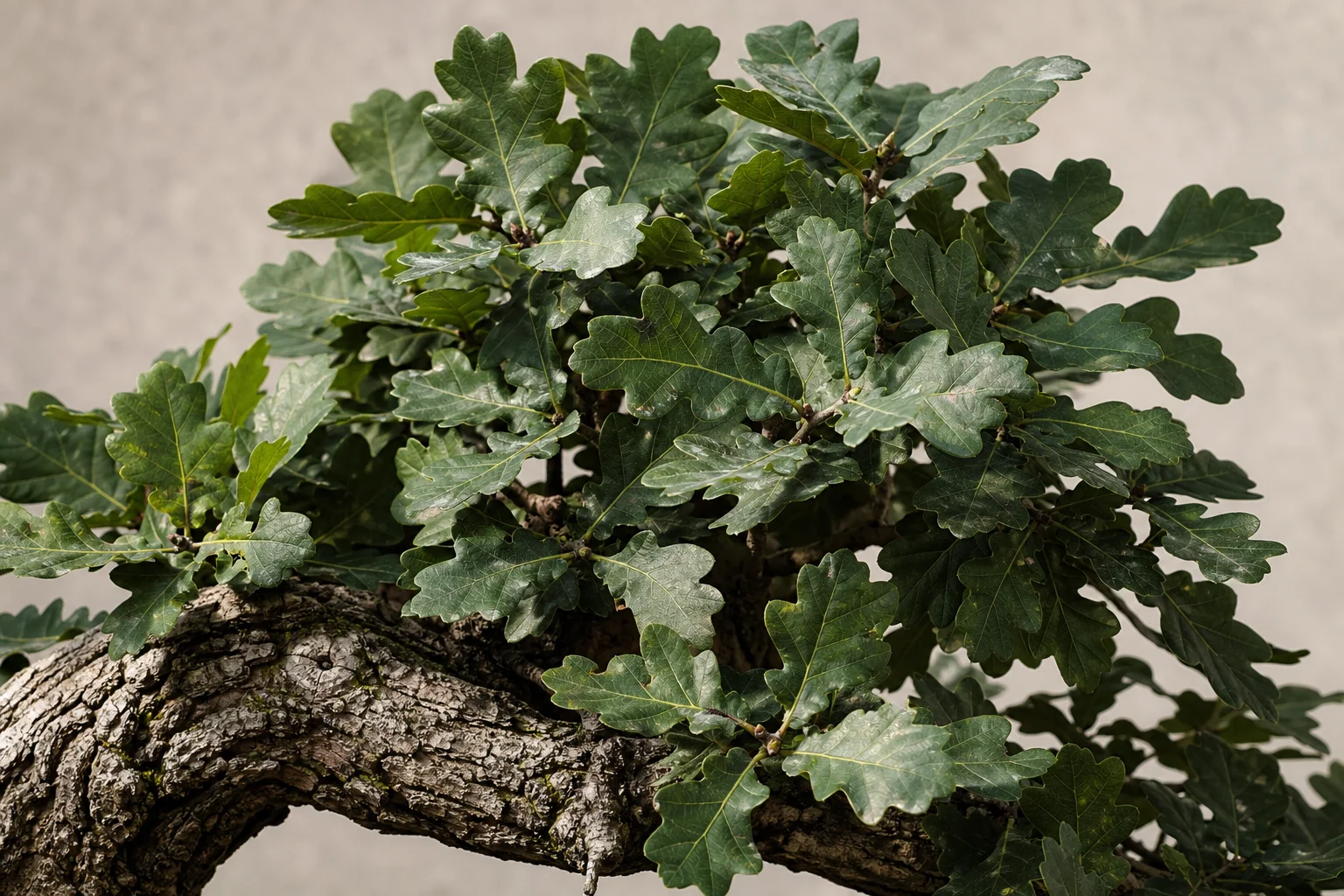
English oak
Quercus roburThe defining tree of the English landscape. Slow, deliberate, demanding patience — and unmatched in presence at full maturity.
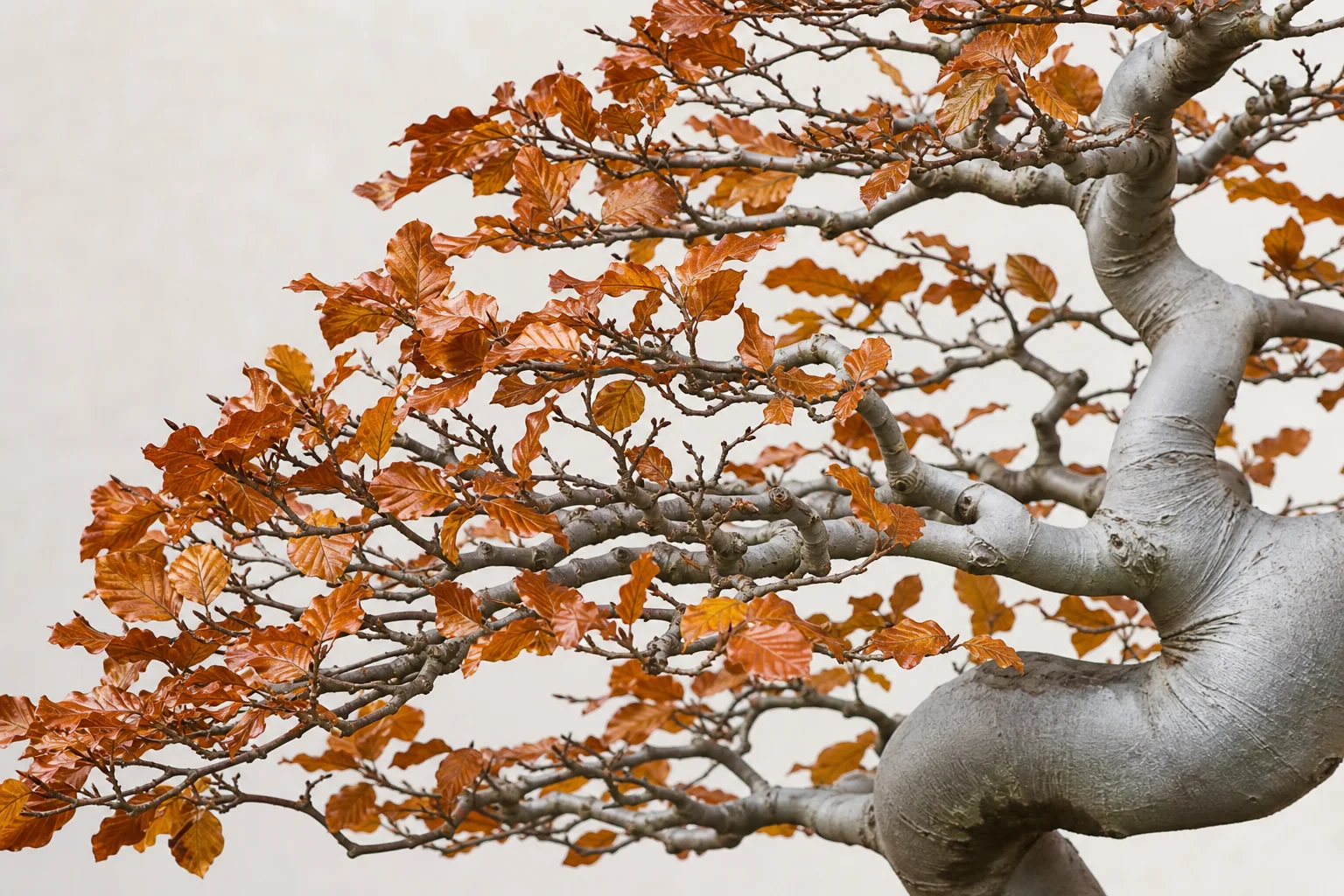
European beech
Fagus sylvaticaSmooth grey bark, copper-brown winter leaves held through to spring, and a presence that no other deciduous bonsai quite matches.