European beech bonsai care
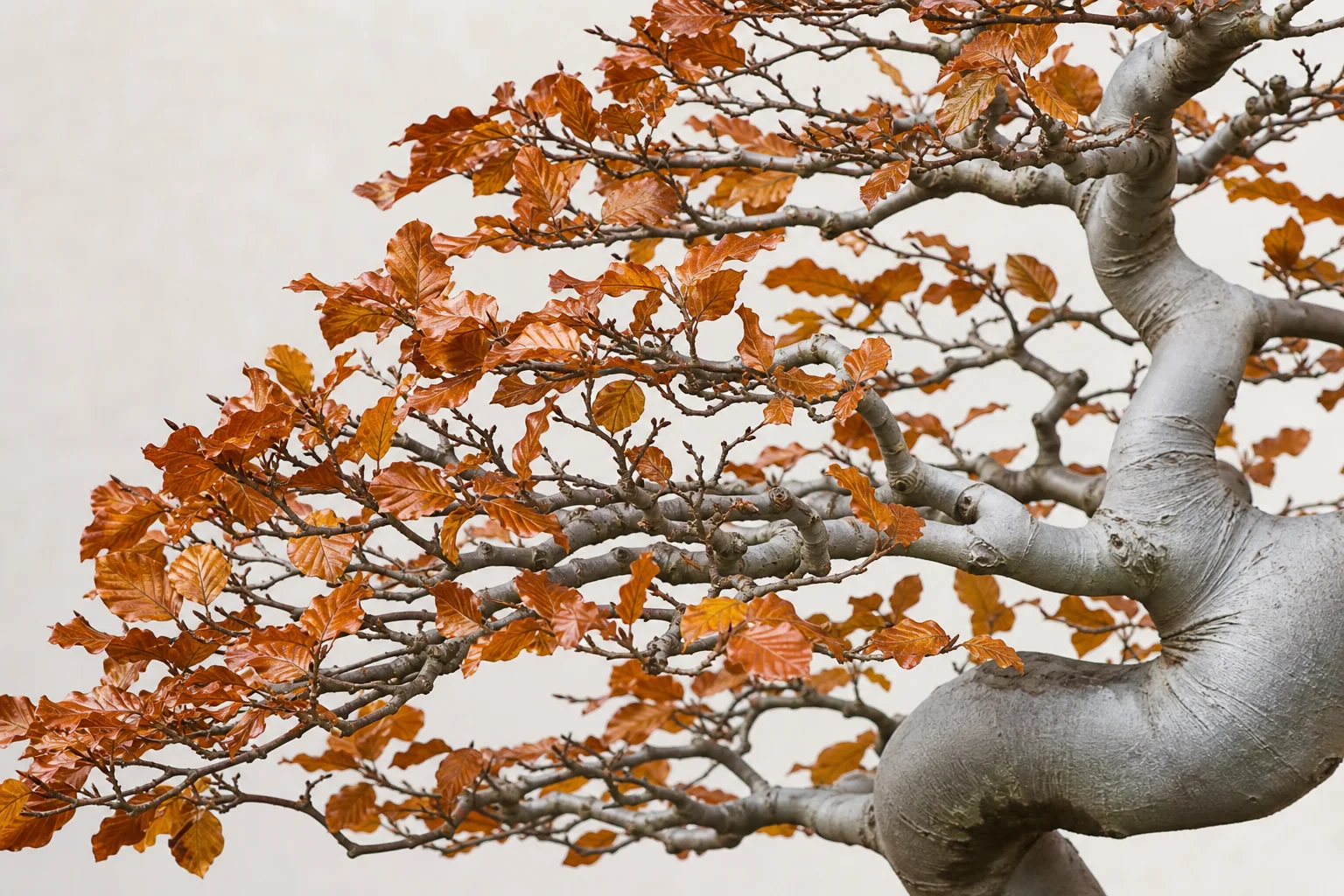
Fagus sylvaticaSmooth grey bark, copper-brown winter leaves held through to spring, and a presence that no other deciduous bonsai quite matches.
Water
Every 1 day
check daily in summerLiquid feed
Every 14 days
growing seasonSolid feed
Every 28 days
slow releaseRotate
Every 14 days
even canopy growthBeech is the slow-burn star of UK bonsai. It develops more slowly than hornbeam, back-buds less reliably, and tolerates pruning errors less well — but a mature beech bonsai with its smooth elephant-grey bark, soft yellow-green spring leaves, and the famous copper-brown winter leaves that persist through to bud break is one of the most quietly stunning trees you can grow.
The species is best suited to growers who already have a deciduous tree or two and want something with more presence and patience. A first beech is rarely a quick win. A ten-year-old beech, on the other hand, is starting to develop the character that justifies the wait.
There are two main beeches in UK bonsai: European beech (Fagus sylvatica), our native species, and Japanese beech (Fagus crenata), traditionally favoured in Japanese practice and sometimes imported. Care is similar; European is easier to source and just as fine.
Native across most of Europe including southern Britain, where it forms beautiful mature woodland — the New Forest, Burnham Beeches, the Chilterns. Adapted to well-drained calcareous soils, partial canopy shade in youth, and full sun once mature. Long-lived in the wild, often 250+ years.
Seasonal calendar
Timing is for South East England. Select your region above to see adjusted guidance.
- Structural pruning while fully dormant
- Plan year's work
- Repot as buds swell
- Final winter pruning
- Old marcescent leaves drop as buds break
- Move into growing position
- Leaves emerge
- Begin daily watering
- First slow-release feed
- Start fortnightly liquid feed
- Pinch new shoots
- Wiring window opens
- Defoliate refined healthy trees late month if desired
- Twice-daily watering in heat
- Continue light pinching
- Stop feeding by end of month
- Watch for wire biting
- Reduce watering
- Begin observing autumn transition
- Leaves turn copper-brown but persist
- Stop feeding completely
- Marcescent leaves remain on tree
- Move out of strong winter sun
- Structural pruning
- Winter wiring
Watering
Daily through the growing season. Beech is sensitive to dryness — a pot allowed to dry will scorch leaf margins, and the scorched leaves don't recover. Equally, the species dislikes saturated roots, so the soil should be moist but never wet.
The combination of these two preferences is what makes beech harder to water than more forgiving species — there's a narrower margin between too wet and too dry. A free-draining substrate with consistent attentive watering is the answer.
Rainwater is preferred. Hard tap water is tolerated but shifts the soil alkaline over years, which the species prefers to fight against. Repot more frequently if you only have hard tap water available.
Feeding
A moderate to light feeder. Liquid feed every two weeks (not weekly) from when leaves harden in late April through to mid-August. Slow-release pellets in spring and early summer.
Beech is sensitive to overfeeding — push it too hard and leaves grow oversized and coarse, internodes lengthen, and the species' refined character is lost. Restrained feeding produces better trees.
Stop feeding by late August. The species needs time to harden wood before winter.
Soil & Repotting
Free-draining but moisture-retentive. Beech prefers slightly acidic to neutral substrate.
60% akadama, 25% pumice, 15% lava is a reliable mix. The species responds well to akadama-dominant substrates because they hold moisture between waterings, which suits beech's sensitivity to drying.
Repot every 3–4 years on young trees, every 4–6 on mature specimens. The window is mid-February through mid-March — earlier than maples, similar to hornbeam. Repot as buds swell but before they break.
Beech tolerates moderate root work — remove no more than a third of the root mass on healthy trees, less on older specimens. Don't bare-root. The species is slower to recover from root work than hornbeam or elm, so be conservative.
Collected wild material is slow to establish — beech is not an ideal yamadori subject. Buy or grow young material instead.
Pruning
Beech back-buds less reliably than hornbeam or elm. This is the species' most significant practical limitation: heavy cutbacks may not produce new buds where you want them, and you can't rely on back-budding to recover from bad pruning decisions.
Plan carefully. Don't remove branches until you're certain you don't want them. Build ramification through pinching rather than through hard cutbacks.
Through the growing season, let new shoots extend to four or five leaves then cut back to two. Pinch every three to four weeks in moderate growth. Defoliation works on healthy refined trees (late June) but is best used sparingly — beech responds less vigorously than elm or maple and the resulting second flush can be weak.
Structural pruning happens in late winter (February). Major cuts heal slowly and should be sealed.
Wiring & Styling
Wire after leaves harden in early summer or on bare branches in winter. Beech bark is smooth and marks easily — apply loosely and check fortnightly. Use aluminium for almost all work; copper only on very thick branches with rough bark.
Wire scars on beech bark remain visible for many years and detract significantly from the species' main aesthetic asset. Take it off promptly.
Informal upright is the natural fit. Twin-trunk and clump work well. The species' habit suits broom-style trees beautifully — a mature beech in broom style with its smooth grey bark and rounded crown is one of the great bonsai compositions. Forest plantings (yose-ue) are traditional and excellent.
The species doesn't suit literati, cascade, or formal upright. Aim for an aesthetic of quiet maturity rather than drama.
Winter care
Fully hardy across the UK with no protection needed. The marcescent leaves (copper-brown leaves retained through winter) are a major feature of the species' winter aesthetic and shouldn't be removed — they fall naturally as new growth pushes in spring.
A specific consideration: beech bark can scald in sudden winter sun after long shade. Don't move a beech from a sheltered overwinter position straight into full February sun. Transition gradually.
Propagation
From seed (autumn-sown, cold-stratified — slow to germinate but reliable). Air layering in May is possible but slow. Cuttings rarely succeed. Most quality beech bonsai material is grown from seed or developed from young nursery trees over a decade or more.
Common problems
Mostly healthy. Beech is more disease-prone than hornbeam but less so than the maples.
Beech aphid
Symptoms: White fluffy patches on undersides of leaves; honeydew and sticky residue.
Cause: Specific aphid pest of beech, common in mid-summer.
Solution: Hose off thoroughly underneath the leaves. Neem oil if persistent. Inspect weekly in June and July.
Beech leaf disease (BLD)
Symptoms: Dark bands between leaf veins in spring, leaves curl and deform.
Cause: Recently identified nematode-associated disease, spreading through Europe.
Solution: No reliable treatment currently. Remove and bin affected leaves. Improve airflow. If the problem is severe or recurring, consider whether beech is viable in your collection given the disease's spread.
Bark scald
Symptoms: Vertical cracks or discoloured patches on south-facing trunk in late winter.
Cause: Sudden warming of smooth bark on a sunny February day followed by hard freeze that night.
Solution: Position out of strong winter sun, especially morning sun on previously shaded bark. Wrap exposed trunks with hessian over winter if necessary.
Leaf scorch
Symptoms: Brown crispy margins on summer leaves.
Cause: Combination of dry roots, afternoon sun, and wind.
Solution: Move to morning sun and afternoon shade. Water more attentively. Affected leaves don't recover but the tree will.
Slow back-budding
Symptoms: Branches pruned hard fail to produce new buds where wanted.
Cause: Normal species behaviour. Beech back-buds less reliably than most deciduous bonsai species.
Solution: Plan pruning carefully and avoid hard cutbacks where possible. Build structure through pinching rather than through removal and back-budding.
Yellowing leaves and chlorosis
Symptoms: Pale yellow leaves with green veins, especially on hard tap water.
Cause: Iron deficiency from alkaline soil conditions.
Solution: Use rainwater. Repot into fresh acidic substrate. Sequestered iron supplement can help in the short term.
Popular cultivars
The wild type. Most quality beech bonsai is seedling-grown wild type.
The Japanese species. Smaller leaves and slightly different bark texture. Often imported as bonsai but European beech is equally fine.
Purple-leaved form. Striking but the dark foliage loses the species' typical seasonal interest.
Columnar form. Wrong habit for bonsai.
Track your European beech with Kentai.
Collection tracking, care logs and photo history are free — no card, no time limit.
More care guides
European hornbeam
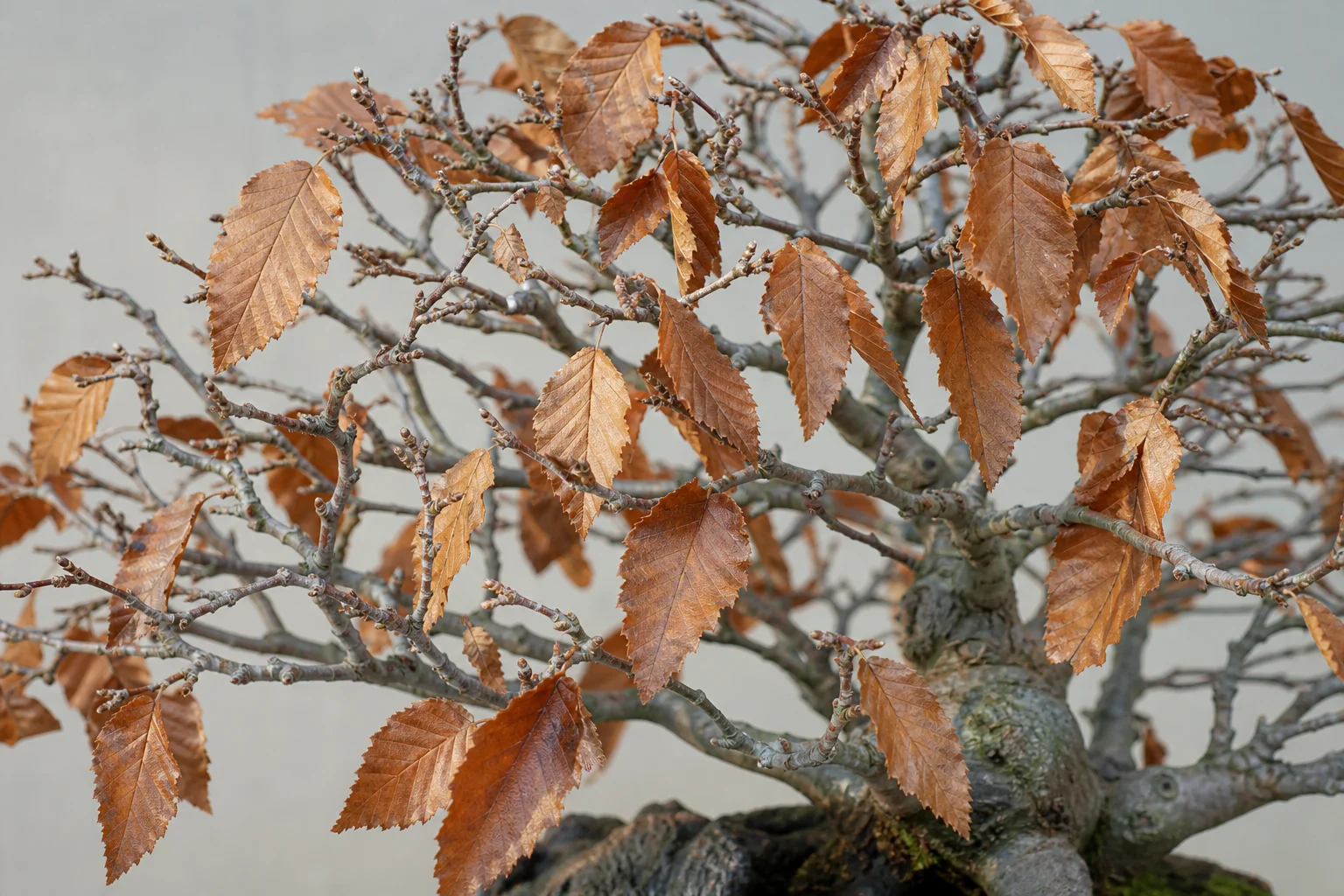
Carpinus betulusThe UK native that bonsai forgot. Strong, fast, beautiful in winter, and lovely in spring — and you can find good material in any hedgerow.
Field maple
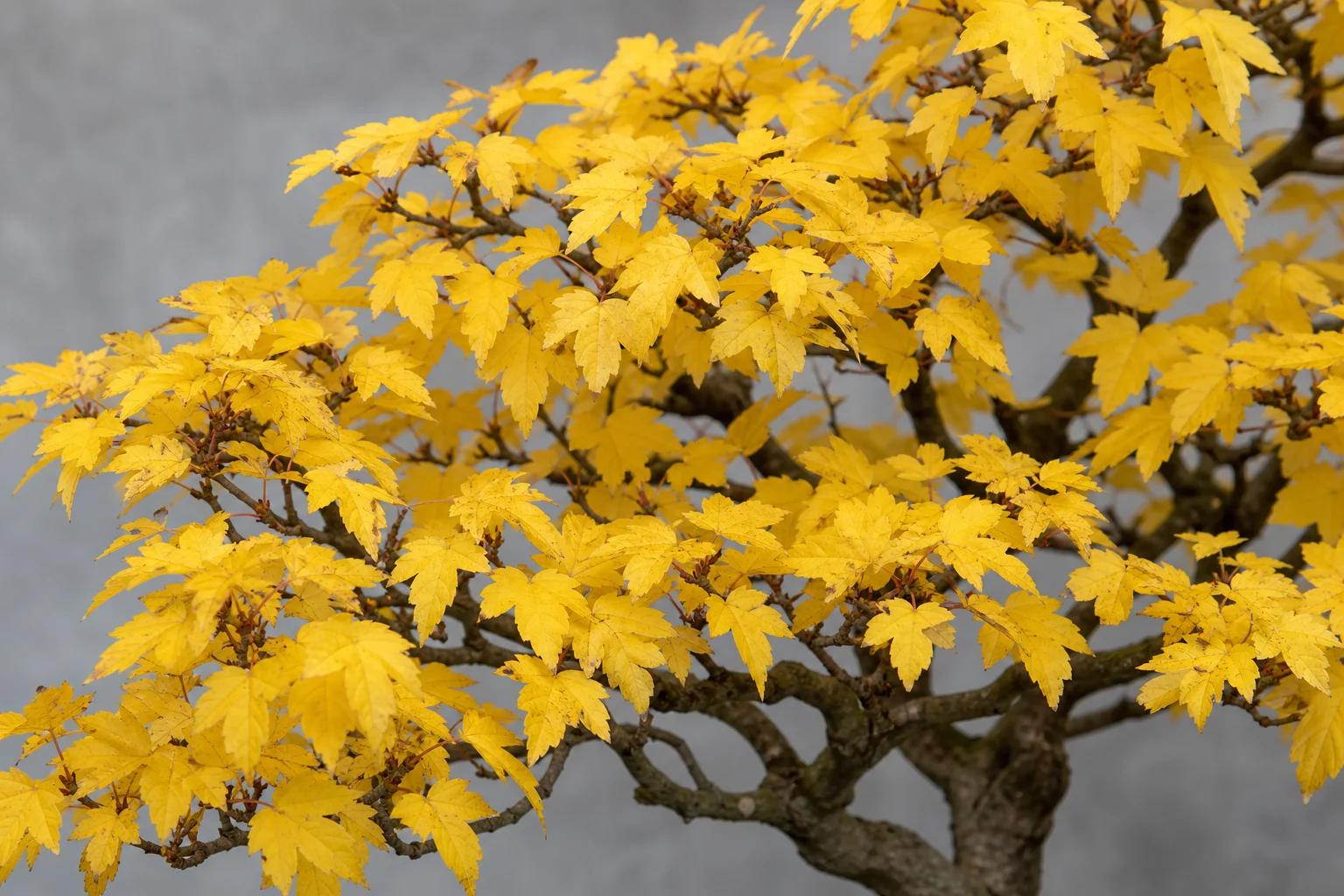
Acer campestreThe UK's native maple — bulletproof hardy, butter-yellow autumn colour, and free in every English hedgerow.
Full-moon maple
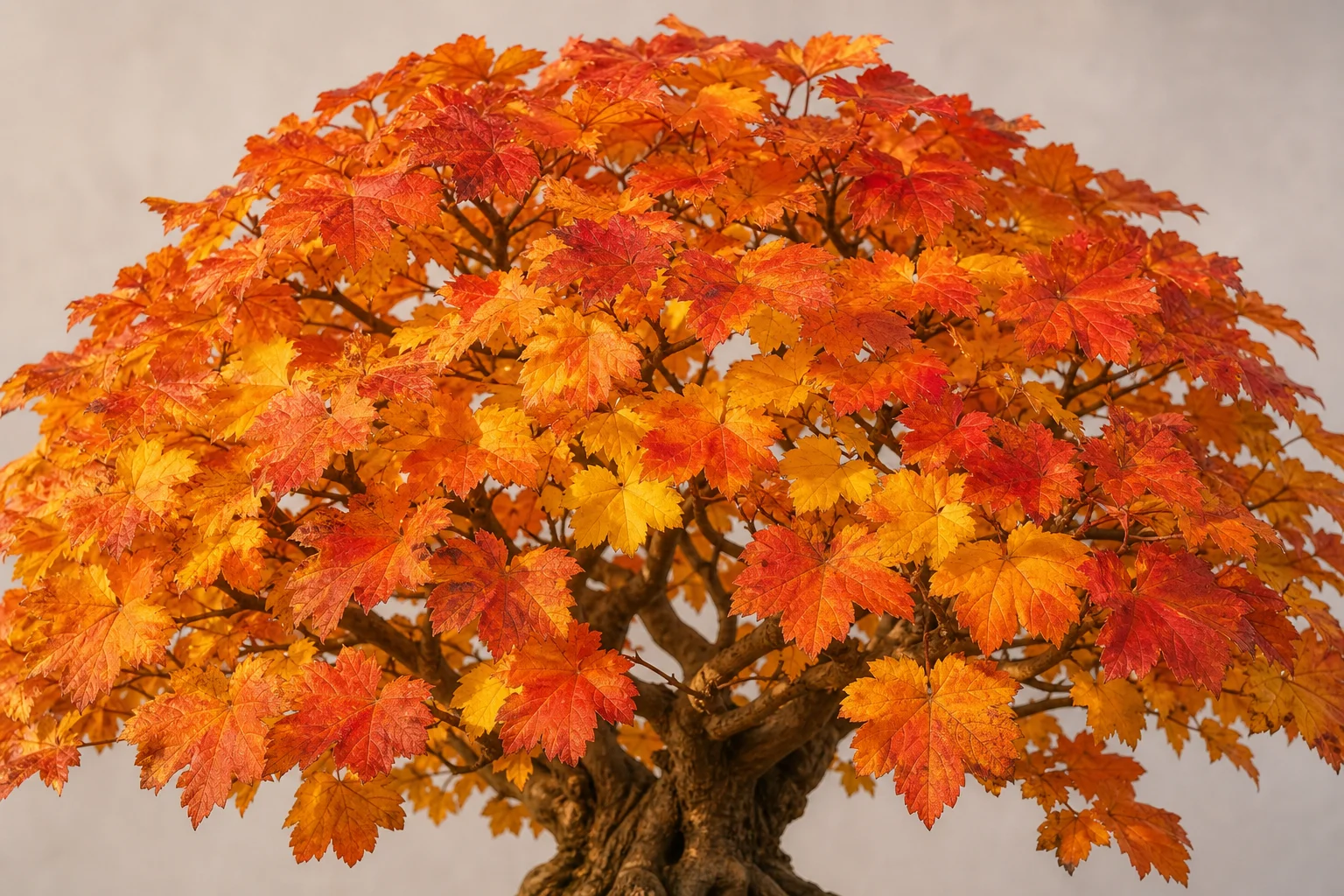
Acer japonicumThe other Japanese maple. More rounded leaves with shallower lobes than Acer palmatum, similar care, distinct enough to be its own species — and home to two of the most beautiful maple cultivars in bonsai.