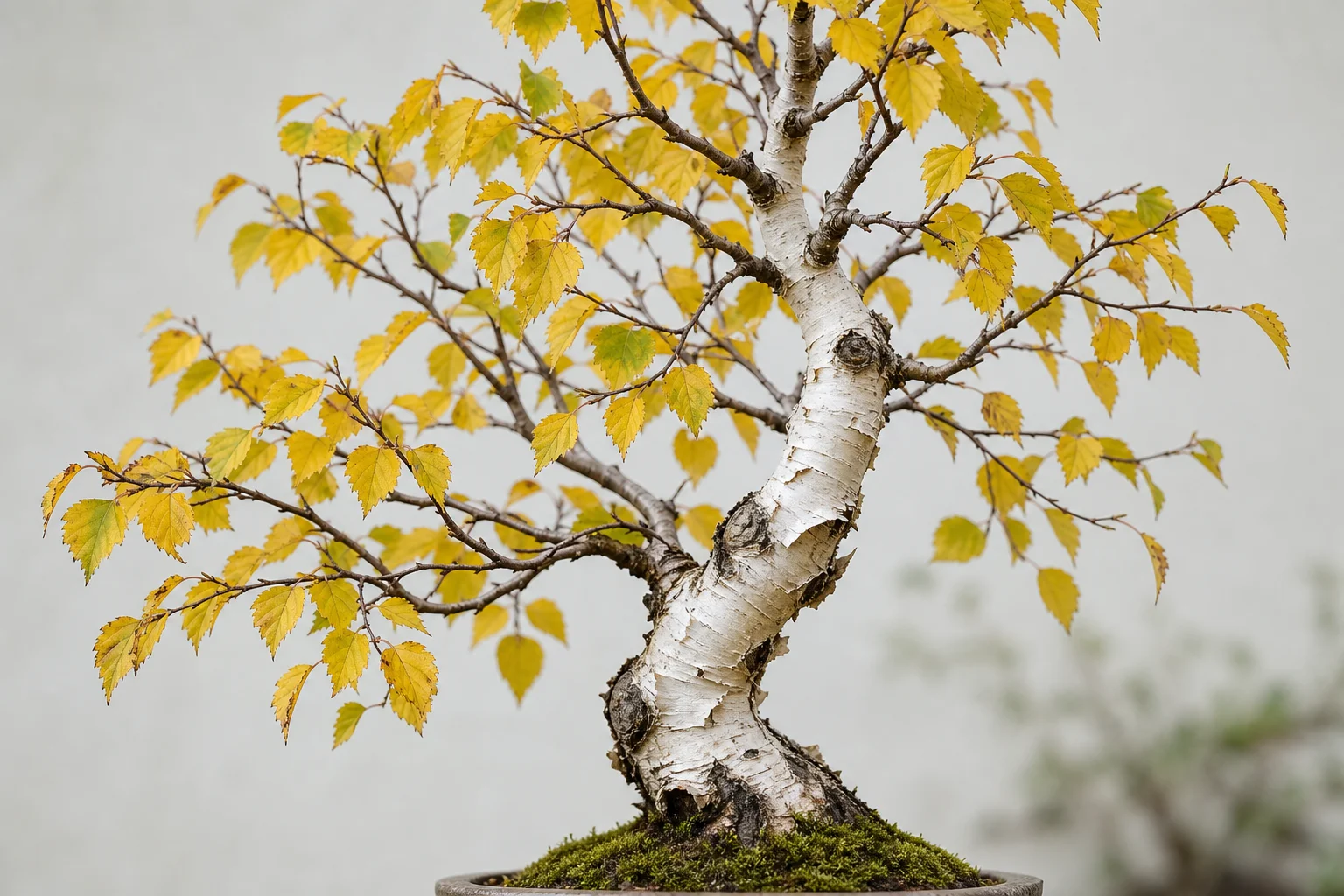
Silver birch bonsai care
Betula pendulaThe white-bark UK native. Striking visually but genuinely tricky as bonsai — a species more often killed than refined by inexperienced growers.
Water
Every 1 day
check daily in summerLiquid feed
Every 7 days
growing seasonSolid feed
Every 28 days
slow releaseRotate
Every 14 days
even canopy growthSilver birch is the species new bonsai growers most want to try and most often kill. The white peeling bark, delicate leaves that turn brilliant yellow in autumn, and pendulous habit make it visually appealing. The UK-native status seems to suggest easy cultivation. But birch in pots is genuinely difficult, and the species deserves an honest assessment before you invest in material.
The problems are several. Birch demands consistent moisture and is unforgiving of dry spells — a single missed watering in hot weather can cause irreversible leaf damage and significant dieback. The species is sensitive to root work and recovers slowly from repotting; a poorly-timed or aggressive repot can take two seasons to recover from. The thin bark damages easily and marks visibly from wire. The species back-buds reluctantly compared to most deciduous bonsai, making structural mistakes difficult to correct. And birch has a relatively short pot lifespan — even well-managed specimens often decline after 15–20 years in containers, where elms, maples, and hornbeams might thrive for 50+ years.
That said, birch as bonsai is genuinely beautiful when it works. A well-developed Betula pendula in a refined pot, with its white bark and golden autumn colour, is one of the most evocative bonsai for UK growers — a miniature of the trees that line the M6 north of Birmingham and dot every Scottish glen. If you accept the difficulty and approach the species with appropriate technique and patience, the rewards are substantial.
The advice is: not as a first species. Consider it after you've managed at least three years with easier deciduous species (Chinese elm, field maple, zelkova).
Native throughout most of Europe including the entire UK. Birch is one of the first tree species to colonise after glaciation and remains a pioneer species in cool temperate environments. Common across upland Britain, particularly in Scotland and northern England, where the species forms substantial native woodlands. Several closely related species — Betula pubescens (downy birch, also UK native), Betula nigra (river birch, North American, easier in pots), Betula utilis (Himalayan birch, even whiter bark) — are sometimes used for bonsai with various trade-offs.
Seasonal calendar
Timing is for South East England. Select your region above to see adjusted guidance.
- Light structural work only
- Plan repotting
- Repot late month as buds swell
- Final winter pruning
- Continue repotting in cooler regions
- Watch for emerging leaves
- Catkins appear; leaves emerge
- Begin daily watering — never miss a day
- First feeding
- Start weekly liquid feed
- Begin selective pinching
- Wiring window opens — apply loosely
- Continue pinching
- Twice-daily watering in heat
- Watch for bronze birch borer signs
- Reduce nitrogen feeding mid-month
- Watch closely for water stress
- Stop feeding mid-month
- Reduce watering as growth slows
- Brilliant yellow autumn colour
- Continue reducing watering
- Leaf drop
- Sweep fallen leaves — birch is a nitrogen-rich leaf litter source
- Light pruning only
- White bark display at its finest
Watering
Daily through the growing season — birch is genuinely thirsty and unforgiving. Twice daily in summer heat for trees in shallow pots is normal rather than exceptional.
The species shows water stress dramatically: leaves wilt within hours of drought, brown and crisp within a day, and don't recover. Maintain consistent moisture from spring through autumn.
In winter, regular watering but reduced frequency. Saturated cold roots can cause issues but dryness is the more common problem.
Tap water of any hardness is fine.
Feeding
Weekly half-strength liquid feed from late April through to mid-September. Slow-release organic pellets in spring and early summer.
Birch responds to feeding moderately — it's not as vigorous as elms or hornbeams under heavy feeding. Restrained feeding produces better-proportioned trees than aggressive feeding.
Reduce nitrogen from late August.
Soil & Repotting
Free-draining and slightly acidic. Birch prefers acidic conditions and doesn't do well on alkaline substrate or hard tap water over years.
60% akadama, 30% pumice, 10% lava in 2–6mm grade. Use rainwater where possible. The species' preference for acidic substrate makes substrate freshness more important than for tolerant species — repot on schedule rather than letting substrate exhaust.
Repot every 2–3 years on young trees, every 3–4 on mature specimens. The window is late February through to mid-March — narrower than for tougher species. Repot as buds swell, not before.
Birch tolerates root work less well than most deciduous species — remove no more than a third of the root mass on healthy trees, less on older specimens. The species recovers slowly and a poorly-timed repot can set the tree back substantially.
Don't combine repotting with major pruning in the same year. The tree needs energy for one or the other.
Pruning
Birch pruning requires careful planning because the species back-buds reluctantly compared to vigorous deciduous bonsai. Hard cutbacks on old wood may not produce new shoots where you want them.
Structural pruning in late winter (February). Plan cuts carefully — you may not get the back-budding you'd expect on hornbeam or elm. When possible, leave a stub above future bud positions rather than cutting flush; the species back-buds from dormant lateral buds more reliably than from cut surfaces.
Through the growing season, allow new shoots to extend to four or five leaves then cut back to two or three. Pinch every three to four weeks — less frequently than vigorous species. The species' natural tendency is to elongate at the apex; pinch the apex more than lower branches to balance growth.
Defoliation isn't a useful technique on birch. The species responds poorly to full defoliation and rarely benefits aesthetically the way maples and hornbeams do.
Wiring & Styling
Wire after leaves harden in early summer. Birch bark is thin and the famous white peeling characteristic is fragile — wire marks visibly and wire scars persist permanently on white bark. Apply very loosely and check weekly during active growth. Aluminium for almost all work.
Many experienced birch growers avoid wire entirely on mature specimens and rely exclusively on directional pruning. Major styling decisions on mature trees should consider whether the planned bending is worth the inevitable wire scarring.
Informal upright with a slender trunk and pendulous branches is the classic birch style — referencing the species' natural habit. Twin-trunk and clump styles work well; multiple slender birches in a single pot can be particularly fine. Forest plantings are exceptional.
The species' main aesthetic asset is the white bark, which only develops after years of growth. Styling should ensure the trunk is clearly visible from typical viewing angles.
Cascade, semi-cascade, and formal upright don't suit the species' habit. Aim for naturalistic compositions that reference the species' wild appearance.
Winter care
Fully hardy across the UK. Birch is a high-latitude species — it survives across Scandinavia and into the Arctic Circle — and shrugs off any British winter.
The species' winter consideration in pots isn't cold but water management. Saturated cold roots can rot; tilt pots for drainage. The species can also suffer trunk damage on south-facing benches with strong winter sun followed by hard frosts.
Never bring indoors.
Propagation
From seed (autumn-sown — viable seed is freely available from any UK birch in autumn; reliable germination). From semi-hardwood cuttings is very difficult and rarely successful. From air layering is moderate to difficult. Collected hedgerow material works but recovery from collection is slow. Most quality UK birch bonsai develop from seedlings grown on for 10+ years or from established garden specimens.
Common problems
Generally moderate health but with several species-specific issues worth knowing about.
Bronze birch borer (Agrilus anxius)
Symptoms: Top branches die back progressively over years; D-shaped exit holes in bark; declining vigour.
Cause: Wood-boring beetle attacking stressed birches. Currently spreading in UK, particularly in southern regions.
Solution: Largely fatal once established. Prevention via maintaining tree health (stressed trees more susceptible). Inspect bark annually for exit holes. Remove and dispose of affected trees if found. Native to North America, it's a relatively recent UK arrival.
Birch rust
Symptoms: Orange-yellow pustules on leaf undersides; affected leaves yellow and drop early.
Cause: Fungal disease, particularly active in damp summers.
Solution: Improve airflow. Remove and bin affected leaves. Copper fungicide preventatively if recurring. Rarely fatal but weakens the tree if severe.
Water stress death
Symptoms: Tree sudden decline after a hot dry spell; leaves brown and crisp; significant branch dieback or whole-tree death.
Cause: Birch is unforgiving of drought — even a single missed watering on a hot summer day can cause significant damage.
Solution: Never miss a watering. Use moisture meters or automatic irrigation for trees you can't monitor daily. This is the single most common cause of birch bonsai death in UK collections.
Slow back-budding after pruning
Symptoms: Hard-pruned branches fail to produce new shoots where desired.
Cause: Normal species behaviour — birch back-buds less reliably than most deciduous bonsai.
Solution: Plan pruning conservatively. Use directional pruning rather than hard cutbacks. Where back-budding is essential, ensure the tree is in peak health beforehand.
Aphids and birch sawfly
Symptoms: Curled sticky leaves or chewed leaf edges in spring.
Cause: Common pests on birch.
Solution: Hose off aphids. Hand-pick sawfly larvae or apply Bacillus thuringiensis. Standard responses for the season.
Premature pot decline (10–15 year lifespan)
Symptoms: Tree gradually loses vigour over years despite good care; eventually declines and dies.
Cause: Birch has a shorter natural lifespan in pots than most bonsai species — perhaps 15–25 years rather than 50+ as in elms and maples.
Solution: Accept it as species characteristic. Maintain optimal conditions to maximise lifespan. Plan to develop replacement material as established trees age. This isn't failure on the grower's part — it's species biology.
Popular cultivars
The standard UK native silver birch. Most quality bonsai material is the wild type.
The other UK native birch. Slightly hardier and more tolerant of wet conditions. Larger leaves than pendula. Less common in bonsai but suitable.
Brilliant white bark, more striking than pendula. Slightly harder to find in bonsai-suitable scale but available.
North American species. Cinnamon-brown peeling bark rather than white. More tolerant of pot culture than silver birch — easier as bonsai for beginners attempting birch.
Cultivar with pendulous habit. Striking but the form is challenging to balance in bonsai compositions.
Upright columnar cultivar. Wrong habit for most bonsai styles.
Track your Silver birch with Kentai.
Collection tracking, care logs and photo history are free — no card, no time limit.
More care guides
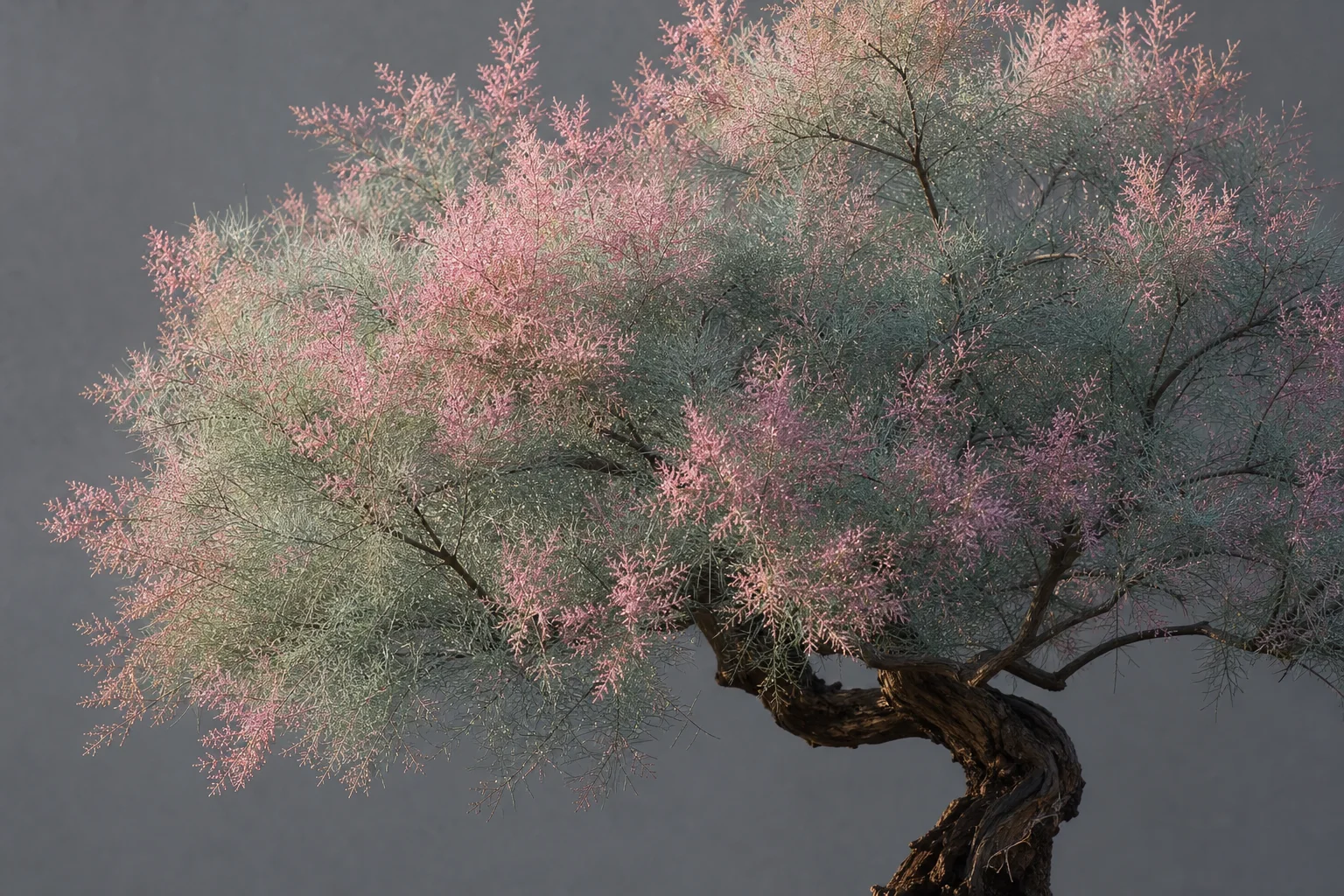
Tamarisk
Tamarix gallicaFeathery scale-like foliage, pink flower plumes in late spring or summer, salt tolerance unmatched among bonsai species — and a distinctive softness that no other tree quite provides.
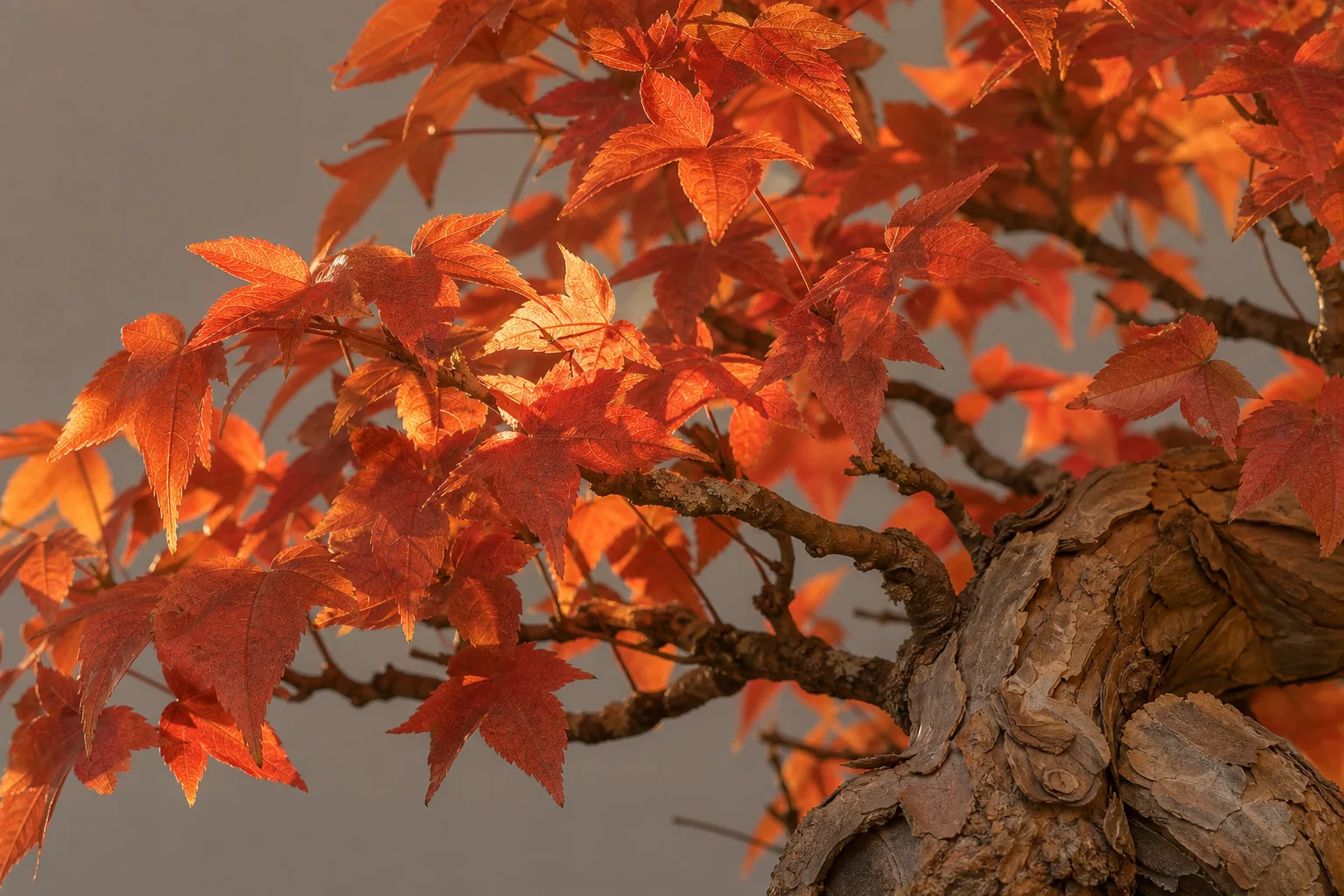
Trident maple
Acer buergerianumThe other classic maple — faster, hardier, more forgiving than its Japanese cousin, and famous for spectacular flaking bark.
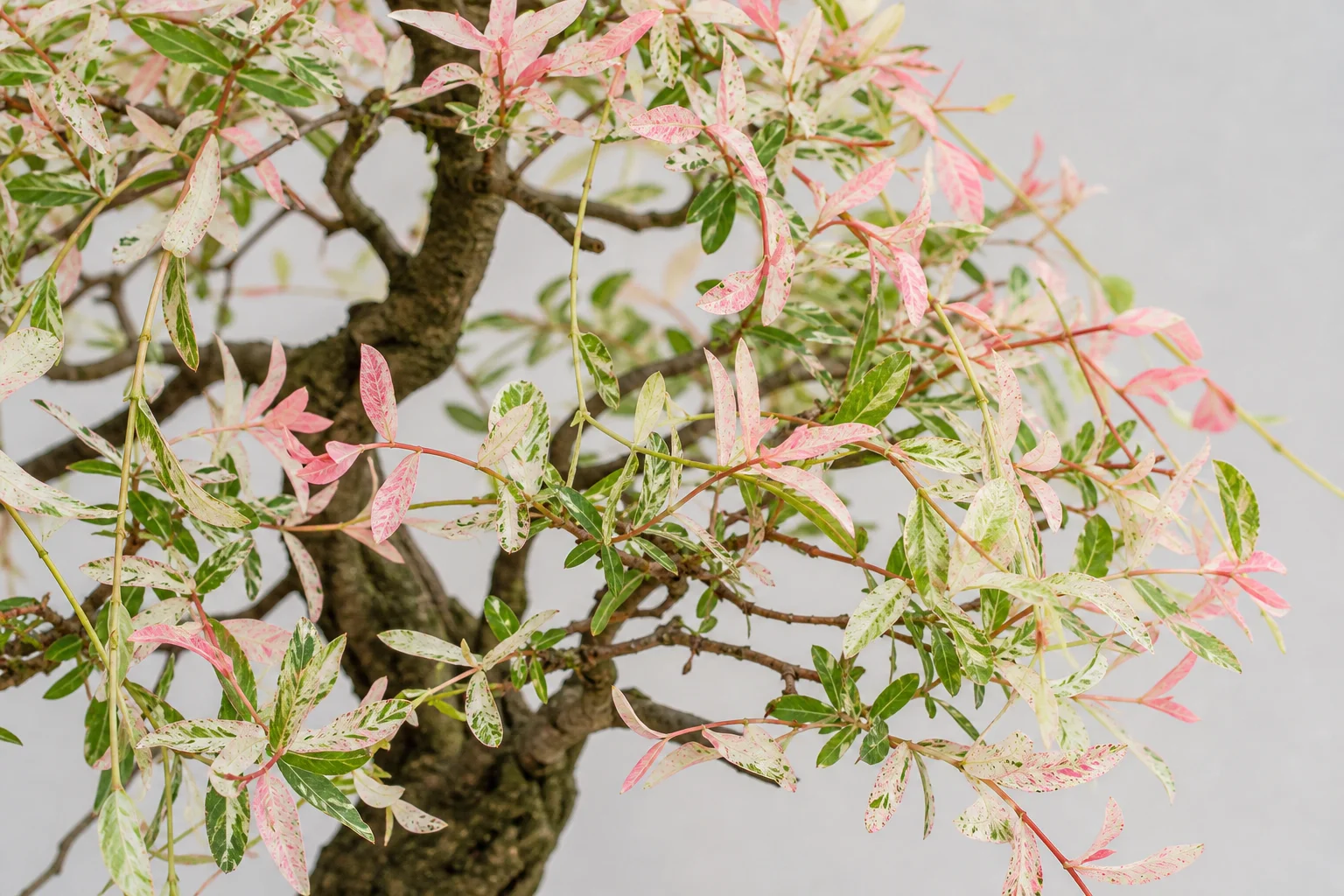
Willow
SalixVigorous, water-loving, fast-growing — and challenging for bonsai precisely because of that vigour. The species that breaks every conventional rule about bonsai water management.